
Lure fishing is one of the most exciting ways to catch fish because you are actively hunting instead of just waiting for a bite. You are casting, working the lure, reading the water, watching your line and trying to make a fish react.
But lure fishing can also be frustrating.
You can spend hours casting soft plastics, hardbodies, surface lures, jerk baits, prawn lures or trolling lures and still feel like nothing wants to eat them. Most of the time, the problem is not that lures do not work. The problem is usually how the lure is being used, where it is being fished, or whether it matches the fish you are trying to catch.
This lure fishing guide brings together the main lessons from soft plastics, jerk baits, surface lures, trolling lures, prawn lures, cheap lures, expensive lures and offshore lures. If you are new to lure fishing, or you feel like your lures are not working, these tips will help you keep things simple and start catching more fish.
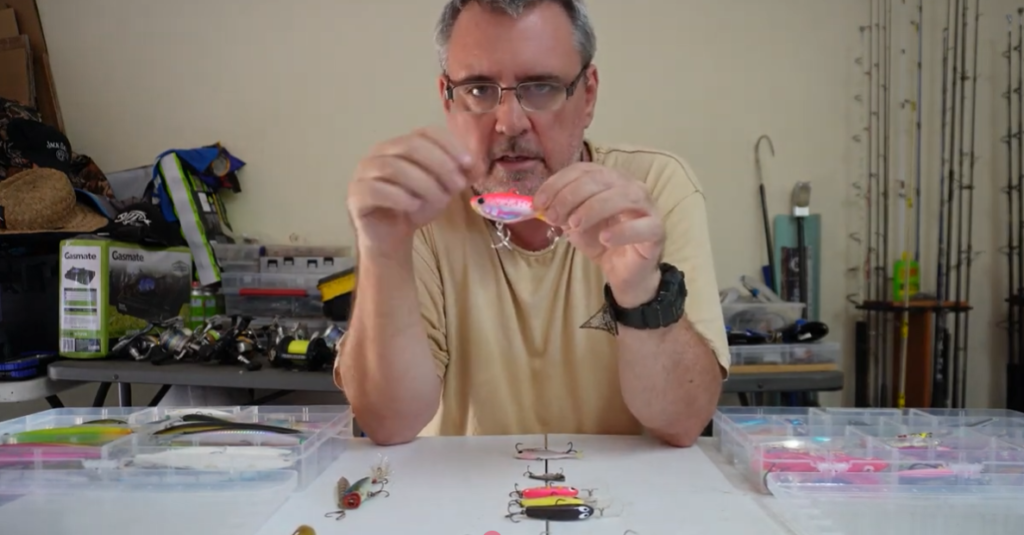
What Is Lure Fishing?
Lure fishing is using an artificial lure instead of bait to attract and catch fish.
A lure might imitate a baitfish, prawn, squid, crab, injured fish, fleeing bait, surface insect or something moving through the water that triggers a predator to strike.
Common lure types include:
Soft plastics
Hardbody lures
Jerk baits
Surface lures
Stickbaits
Poppers
Metal jigs
Vibes
Trolling lures
Prawn-style soft plastics
Skirted offshore lures
The biggest advantage of lure fishing is that you can cover water. Instead of sitting in one spot waiting for fish to find your bait, you can move, cast, search and put your lure in front of active fish.
The downside is that lure fishing takes effort. You need to keep casting, changing angles, watching your line and learning how each lure works.
Fishing Scent on Lures: The Honest Truth About Cheating
Expensive Fishing Lures: The Honest Truth Before You Buy
Choose the Right Lure for the Fish You Want to Catch
One of the biggest lure fishing mistakes is using the wrong lure for the species.
A small clear surface lure might be perfect for whiting on shallow flats, but it is not the lure you would troll offshore for wahoo. A big Hex Head trolling lure might be deadly on tuna and mackerel, but it is not what you would cast around pontoons for bream.
Match the lure to the fish.
For example:
Whiting often respond well to small surface lures.
Flathead love soft plastics worked along the bottom.
Barra and jacks will eat prawn-style lures and hardbodies around structure.
Mackerel, tuna and wahoo love fast-moving trolling lures.
Snapper, reef fish and pelagics can eat jerk baits, plastics, jigs and trolling lures depending on the situation.
A good lure fishing guide does not start with “what lure looks cool?” It starts with “what fish am I chasing, where are they feeding, and what are they eating?”
Nomad STYX Minnow 95 : A Deadly Twitch Bait for Flathead?
Best Inshore Fishing Lures : 5 Easy Lures That Really Work
Best Offshore Fishing Lures Australia: Proven Lures That Catch Fish
Visit Fishing Lures That Do the Job for the hard-bodied, surface and squid-style lures I recommend for particular situations.
Soft Plastics Work Best When You Slow Down
Soft plastics are one of the best lure fishing options for beginners, but many fishos work them far too fast.
A soft plastic already has action. Paddle tails kick, curl tails twist, and prawn-style plastics glide, pulse or flick. You do not need to rip them around like crazy.
For most soft plastic fishing, especially around bottom-feeding species like flathead, snapper, bream and mulloway, slow down.
Cast out.
Let the lure sink.
Wind up the slack.
Give it one or two small lifts.
Pause.
Repeat.
That pause is often where the bite happens.
If your soft plastics are not working, do not change colour straight away. First, slow down your retrieve and let the lure sit in the strike zone longer.
Soft Plastic Fishing Tips: Stop Making These Costly Mistakes
Soft Plastic Fishing Mistakes: 11 Costly Reasons Your Lures Aren’t Working.
TT Enforcer Lure Big Reef Swimbait Could Get Destroyed.
Jerk Bait Fishing Is Great for Beginners
Jerk bait fishing is one of the easiest ways to start catching fish on hardbody lures.
A jerk bait is usually a long, slim hardbody with a small bib. You cast it out, rip it with the rod tip, pause it, then repeat. The lure darts around like an injured baitfish, and that wounded action can trigger aggressive strikes.
A simple jerk bait retrieve is:
Rip.
Rip.
Pause.
Wind slack.
Repeat.
Suspending jerk baits are especially useful because they stay in the strike zone when paused. Slow-floating jerk baits are also good. Fast-floating models can still work, but they rise quickly if you stop too long.
Jerk baits can catch flathead, barra, queenfish, jacks, salmon, trevally, bass, trout, mackerel, coral trout and plenty of other fish depending on where you use them.
Jerk Bait Fishing: Beginner Guide to Catching Fish on Hardbody Lures.
Lure Hook Weight: Simple Fix to Make Your Hard Body Swim Right
Surface Lures Are Deadly in Shallow Water
Surface lure fishing is visual, exciting and perfect for shallow flats, drains, edges and clean water.
For whiting, surface lures work because they imitate prawns, jelly prawns or tiny bait skipping across the top. Whiting often chase behind and nip at the lure, which is why small rear assist hooks can make a big difference.
The trick with whiting surface lures is to keep them moving.
Cast out and wind fast.
Do not stop.
Do not pause too much.
Keep the lure skipping across the surface.
Whiting can be aggressive when they switch on. You may see several fish chasing, slashing and missing before one finally hooks up.
Surface lures also catch bream, trevally, tailor, queenfish, flathead and other predators in the right country.
Slippery Dog Whiting Lure: 7 Powerful Reasons This Simple Surface Lure Works.
Trolling Lures Let You Fish While Travelling
Trolling lures are excellent when you want to cover ground offshore.
If you are running between reefs, bait grounds or offshore marks, you can slow the boat down and put a lure out the back. Instead of wasting travel time, you are fishing the whole way.
Old-school lures like Rapala CD hardbodies and Hex Head trolling lures still work because they swim properly and catch pelagic fish.
A Rapala CD trolling lure is a great option for mackerel and tuna at around 6 to 8 knots. A Hex Head trolling lure is better suited to faster trolling, often around 12 to 15 knots, and is excellent for wahoo, tuna, mackerel and dolphin fish.
Trolling lures are not always fancy, but they are practical. If they swim straight, hold together and run at the right speed, fish will eat them.
Lure Fishing Guide: Avoid These Costly Mackerel Trolling Mistakes
Rapala CD Trolling Lure: 7 Deadly Reasons This Old-School Lure Still Works
How to Rig Skirted Lures: 7 Easy Steps for Stronger Hook-Ups
Hex Head Trolling Lure: Why I’d Always Have One Offshore
Samaki Pacemaker Lure Review: A Powerful Deep Diver for Aussie Pelagics
Trolling Mistakes: 10 Proven Fixes to Catch More Fish
Prawn Lures Work Because Almost Everything Eats Prawns
Prawn-style lures are popular for a simple reason: nearly everything eats prawns.
Barra eat prawns.
Jacks eat prawns.
Flathead eat prawns.
Snapper, cod, trout, bream, queenfish and plenty of reef fish will also eat a prawn if it is put in the right place.
Lures like the Dr Prawn soft plastic lure can be fished in rivers, creeks, drains, mangroves, flats, reef edges and shallow bommies.
You can fish prawn lures on:
Light spin gear for flathead and estuary fish
Heavier gear for barra and jacks
Slow pitch gear around shallow reef
Stronger casting gear over reef flats and bommies
The key is matching the rigging to the structure. Around snags, weedless rigging makes sense. Around open water or reef edges, pre-rigged options can be quick and easy.
Dr Prawn Soft Plastic Lure: 7 Smart Ways I’d Fish This Deadly Prawn Bait.
Cheap Lures Can Catch Fish, But Check the Hooks
Cheap fishing lures are not always rubbish.
Some cheap lures swim well, catch fish and are perfect for rough country where you might lose gear. If you are casting around rocks, reef, mangroves, timber or bommies, using cheaper lures can give you the confidence to cast where the fish actually live.
But cheap lures often have one weakness: hardware.
The hooks may be weak.
The split rings may open.
The lure may need tuning.
Some will swim well, and some will not.
Before throwing cheap lures at powerful fish, upgrade the hooks and split rings. That one job can save you losing a good fish.
Expensive lures are not a scam either. Better lures usually have better finishes, stronger bodies, more consistent swimming actions and better quality control.
But fish do not know the price tag.
If a lure swims right and is put in the right place, it can catch fish.
Cheap Fishing Lures vs Expensive Lures: Are You Catching Fish or Getting Ripped Off?
DIY Jig Hooks: 7 Cheap, Tough, Heavy-Duty Hooks That Stop Bite-Offs
Fish Structure, Not Empty Water
No lure fishing guide is complete without this point: fish where fish actually live.
A lot of beginners cast lures across water that looks nice but has no bait, no cover, no current and no structure. That is a hard way to catch fish.
Look for:
Rock walls
Weed beds
Sand patches
Drains
Drop-offs
Reef edges
Timber
Pontoons
Bridge pylons
Current lines
Bait schools
Pressure points
Bommy edges
Boat hulls with growth
Predators use structure to ambush food. Your lure needs to be near those feeding zones.
A helpful external resource for understanding fish habitats is the Queensland Government’s fish habitat information:
Match Lure Colour to Water Clarity
Lure colour can be overcomplicated, but a simple rule works well.
Use natural colours in clean water.
Use brighter colours in dirty water, low light or deeper water.
Natural colours imitate baitfish, prawns and small prey. Bright colours can help fish find the lure when visibility is poor.
This does not mean colour is everything. Action, size, depth and location usually matter more. But colour can help when the fish are fussy or the water conditions change.
Start simple, then test what works in your local area.
Night Fishing Lures That Actually Work After Dark
Watch Your Line When Fishing Lures
Many lure bites are missed because the fisho never sees them.
This is especially true with soft plastics and prawn lures. Fish often hit on the drop or during the pause. You might not feel the bite through the rod, but you may see your line twitch, flick, jump, speed up or move sideways.
Watch your line:
After the cast
As the lure sinks
During the pause
Around structure
When using light jig heads
When fishing current
If your line does something strange, lift the rod and strike.
That small movement may be the only sign you get.
Fluorocarbon Leader: Don’t Waste Your Money Until You Read This
The Best Lure Is the One You Fish Properly
There is no magic lure.
A $40 lure fished badly will not save you. A cheap lure fished well can catch plenty. A soft plastic worked too fast may fail. A jerk bait paused at the right moment may get smashed. A trolling lure that swims straight at the right speed can outfish newer, flashier options.
The best lure is the one that suits:
The fish
The depth
The structure
The current
The bait
The gear
Your confidence
Confidence matters. If you believe in a lure, you will cast it more, fish it better and keep it in the water longer.
That catches fish.
Beginner Lure Fishing Setup
If you are just starting, do not make it too complicated.
A simple beginner lure fishing setup could be:
2500 to 3000 size spin reel
Light graphite rod
8lb to 15lb braid
Fluorocarbon leader
A few soft plastics
A few jig heads
One or two jerk baits
One surface lure if fishing shallow flats
One trolling lure if fishing offshore
From there, build slowly based on where you fish most.
If you fish estuaries, focus on soft plastics, jerk baits and surface lures.
If you fish offshore, add trolling lures, metals, jigs and stronger hardbodies.
If you fish reef edges, make sure your hooks, split rings, leader and drag are up to the job.
Final Thoughts: Keep Lure Fishing Simple
Lure fishing does not need to be confusing.
Start with the fish you want to catch. Pick a lure that matches the bait and water. Fish structure. Use the right size. Slow down when needed. Watch your line. Make sure your hooks and split rings are strong enough.
If soft plastics are not working, slow down and pause longer.
If jerk baits are not working, add pauses and make the lure look injured.
If trolling lures are not working, check speed, action and whether the lure is swimming straight.
If cheap lures are failing, upgrade the hardware or tune them.
And most importantly, keep casting.
Lure fishing takes time, but once it clicks, it becomes one of the most addictive ways to fish. You can cover ground, find active fish, and turn a simple cast into a proper strike.
That is what makes lure fishing so good.
Skirted Lure Hook Rigs: Easy, Proven DIY Method
More Fishing Guides & Resources
Want more practical fishing tips you can use straight away? Check out the latest Shannon’s Fishing PDF guides covering rigs, bait tricks, lure techniques, and proven methods for catching more fish around Australia.