
If you want a fun, simple way to catch whiting on lures, the Slippery Dog whiting lure is one of those little surface lures that makes a lot more sense once you understand the hook setup.
A lot of people look at these lures and wonder why they have tiny assist hooks on the back instead of just normal trebles. But that is exactly what makes them so good for whiting.
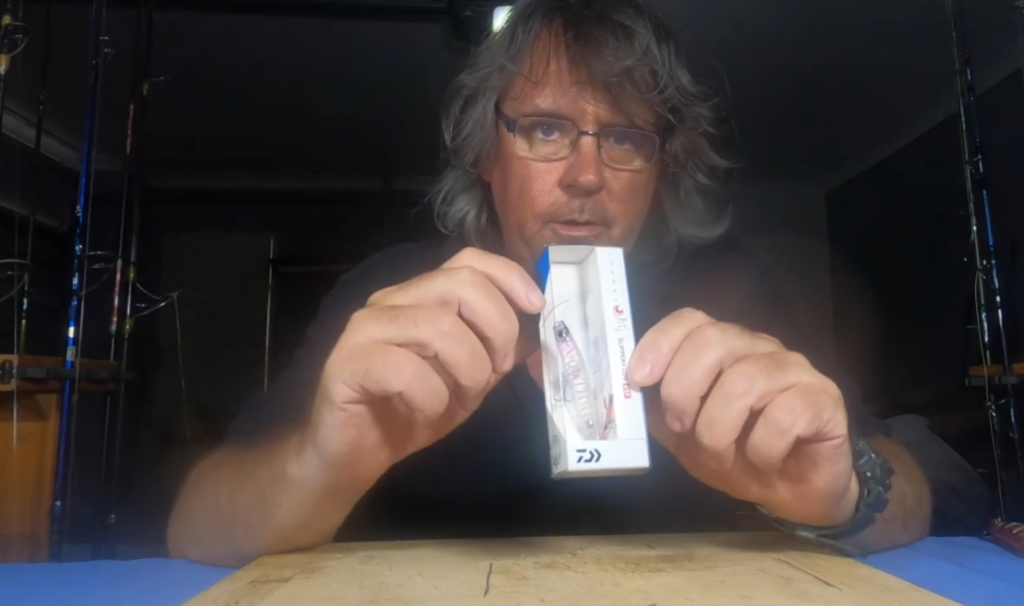
The Daiwa Slippery Dog is a small topwater stick bait designed to imitate little prawns, baitfish and things skipping across the surface. Daiwa lists the 65F TG Tune as a surface, topwater lure with rear assist hooks, and describes it as a prawn imitation designed for clear or spooky-water situations. You can see the lure details on the official Daiwa Australia Slippery Dog page.
This article is based on your transcript notes about using clear Slippery Dogs, light gear, shallow flats and fast retrieves for whiting.
What Makes the Slippery Dog Whiting Lure Different?
The big difference with the Slippery Dog whiting lure is the rear assist hook setup.
Normal small surface lures often come with trebles. Trebles are fine for bream, flathead, tailor, small trevally and plenty of other fish. But whiting feed differently.
Whiting do not smash a lure the same way a flathead or trevally might. They often chase behind it, nip at it, slurp at it, and try to suck it in while it is moving across the top.
That is where the little assist hooks come in.
Those small rear hooks are easier for bigger whiting to suck in. With trebles, you will still catch the odd fish, but you will often get more missed hits. With assist hooks, the bigger whiting have a much better chance of getting pinned properly.
Why Clear Colours Work So Well on Whiting
For whiting, I would be looking hard at the clear colours.
Bright colours can work on plenty of species, but for surface whiting, clear or natural colours often seem to get a better response. A clear Slippery Dog whiting lure looks more like a tiny baitfish, jelly prawn or little prawn flicking across the flats.
That subtle look matters in shallow water.
Whiting are often feeding in skinny water where everything is exposed. If the lure looks too loud or unnatural, they can follow it but not properly commit. A clear lure gives them something that looks alive without looking too fake.
Visit Fishing Lures That Do the Job for the hard-bodied, surface and squid-style lures I recommend for particular situations.
Best Water Depth for Slippery Dog Whiting Fishing
You do not need deep water for this style of fishing.
In fact, this is best done shallow.
Think sand flats, clear edges, little gutters and ankle-deep to waist-deep water. Around one foot of water is enough, and anything up to about a metre can still work well.
That is what makes this such a good family-friendly style of fishing. You can walk the flats, fish from the bank, use a kayak, or drift over shallow areas in a small boat.
You do not need heavy gear. You do not need expensive tackle. You just need a light outfit, a suitable surface lure and a bit of ground where whiting are feeding.
The Best Retrieve for a Slippery Dog Whiting Lure
This is where I would keep it very simple.
A lot of people will tell you to walk the dog, twitch it, pause it, and work it like a technical topwater lure. That can work for some fish, but for whiting I like to keep it much easier.
Cast it out and wind it fast.
Do not stop.
Do not pause.
Do not overthink it.
Just keep it skipping across the surface.
The Slippery Dog whiting lure should look like something trying to escape. A little prawn, baitfish or jelly prawn skipping away in panic is exactly the sort of thing that fires whiting up.
Whiting are aggressive little fish when they are in the mood. You can sometimes see ten, fifteen or twenty fish chasing behind the lure. They will nip, slap, miss, chase again and keep coming.
The little ones will often hit and miss. But when a better whiting comes through, it usually does the job properly.
Why Assist Hooks Catch More Whiting
The assist hooks are the real trick.
Whiting have a mouth designed for feeding along the bottom. They suck, pick, nip and slurp food out of the sand. When they chase a fast surface lure, they are not always great at eating a treble hook cleanly.
That is why the tiny assist hooks work so well.
As the fish comes up behind the lure, it tries to suck in the small trailing hooks. Bigger whiting can get those little hooks in their mouth much easier than a full treble.
That is the whole point of this lure setup.
The rear assist hooks are mainly for whiting. The front treble is still there for other fish that might attack the lure.
Why Keep the Front Treble Hook?
Do not be too quick to remove the front treble.
The assist hooks are great for whiting, but other species often need that front treble. Flathead, bream and little trevally can all have a crack at the lure on the flats.
A flathead is not always going to neatly suck in those tiny assist hooks. A bream might swipe at the lure from the side. A trevally may slash at it quickly.
That front treble gives you a better chance of hooking those extra fish.
That is why the setup works so well. You are basically fishing one lure with two jobs. The assist hooks help with whiting, and the front treble helps with everything else.
Best Gear for Slippery Dog Whiting Fishing
You only need light gear.
A 1–3kg outfit is plenty for this sort of fishing. Match it with light braid, a light leader and a reel that can cast a small lure properly.
The 65mm size will work, especially in clear shallow water, but a slightly larger model can be easier to cast. Daiwa’s Slippery Dog models are available in small surface sizes, including the 65mm version, and other tackle stores list larger 80mm options for anglers wanting more casting distance.
If you are walking the flats with kids, keep the setup easy. A light spin rod, small reel and a few clear surface lures are enough to have a great session.
This is not about complicated fishing. It is about covering shallow water and finding fish that are switched on.
Where This Style Works Best
This is perfect for sandy flats, estuary edges and shallow tidal areas.
It is the sort of fishing that can work around Southeast Queensland, the Gold Coast, Northern New South Wales and plenty of similar shallow-water systems around Australia.
Look for clean water, active bait, prawns, little drains, yabby beds and flats where whiting are likely to be moving with the tide.
The best part is that you usually should not lose many lures fishing this way. You are not dragging them through heavy timber or deep reef. You are skipping them over shallow sand and flats.
The lure is not the cheapest little thing in the world, but if you fish it in the right country, you should get plenty of use out of it.
Final Thoughts on the Slippery Dog Whiting Lure
The Slippery Dog whiting lure is a cracking little option if you want easy, exciting surface fishing.
Get a clear one.
Fish it shallow.
Use light gear.
Wind it fast.
Let the assist hooks do their job.
You do not need to make this complicated. The whole beauty of this lure is how simple it is. Cast it over the flats, keep it moving, and watch the whiting chase it down.
It is fun fishing, it is easy to do, and it is a great way to get kids or newer fishos excited because they can actually see the fish chasing the lure.
For whiting on the flats, this is one of those little lures that just makes sense.
More Aussie Fishing Guides & Resources
Looking for more practical fishing tips? I’ve put together a growing collection of Shannons Fishing resources, including downloadable PDF guides, cheat sheets, rigs, bait tips, and step-by-step fishing advice made for Aussie fishos.