
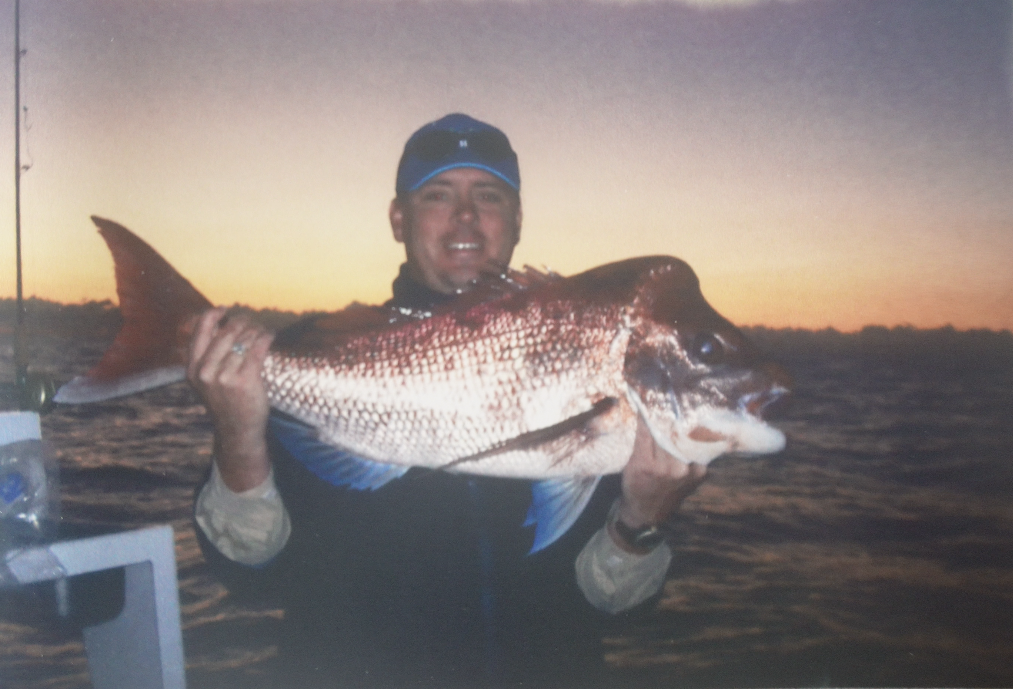
If you are looking to land your personal best red, you have come to the right place. Catching snapper (or pinkies and squire, as we call the smaller ones) is an obsession for many Australian anglers, and for good reason. They are hard-fighting, beautiful to look at, and arguably one of the best-tasting fish in our ocean. In this comprehensive pillar guide, I’m breaking down 20 Aussie Tested Snapper Tips that I’ve gathered over 30 years of fishing the reefs from Victoria up to the Gold Coast. Whether you are fishing in 20 meters of water or hitting the deep shelf, these 20 Aussie Tested Snapper Tips will help you put more quality fish on the deck.
Night Fishing Secrets: Why Low Light Changes the Game
Night fishing for snapper is easily one of the most rewarding ways to spend a shift on the water. There is something about the quiet of the ocean at 2:00 AM when the “knobbies” come out to play on the close reefs. However, the first of my 20 Aussie Tested Snapper Tips is understanding sensory changes. While most people stick to a basic running sinker, I’ve found that a specialized live bait rig is the real secret to consistency after dark.
If you want to master night fishing, you have to understand that these fish are much more sensitive to resistance at night. If they feel the weight of a heavy sinker immediately, they’ll often drop the bait. This is a core component of my 20 Aussie Tested Snapper Tips: your rig must provide “play” before the fish feels the sting of the hook.
When you are night fishing, you aren’t just targeting small pinkies; you are looking for those 8kg to 10kg trophies. These bigger fish are smart. I usually run about a 60lb leader—sometimes 80lb if I’m in heavy territory—but the knots I use are surprisingly simple. Some blokes love to carry on about fancy knots, but I’ve fished 15kg of drag on basic loops and never had a breakage. If you’re breaking these knots, you’re either fishing way too heavy or your drag is locked up tight. For the ultimate 20 Aussie Tested Snapper Tips experience, a bit of finesse goes a long way.
Night Fishing for Snapper: 7 Proven Secrets
The Physics of Float Lining for Snapper
Float lining for snapper is an art form that most people get dead wrong. I still take people out fishing and try to teach them the ropes, but I see the same mistake every time: they put a bit of line out, stick the rod in the holder, and wonder why I’m going home with a trophy while they’re going home with nothing. If you think sticking a rod in a holder is float lining, you’ve already lost the battle.
To do this properly, it takes time and focus. You want your bait to look like a natural bit of food drifting down, not something anchored to a sinker. This leads into another of my 20 Aussie Tested Snapper Tips: managing the “belly” in your line. When I’m float lining, I stand there with my thumb lightly on the spool, feeding line out manually. I want to see slack line between my rod tip and the water at all times. If that line pulls tight, the bait isn’t sinking naturally.
One of the best things about using a baitcaster for these 20 Aussie Tested Snapper Tips is the “hot thumb” moment. When a big fish grabs the bait and peels off, your thumb starts getting warm from the friction on the spool. That’s when you know you’re on. You just click the handle, the reel engages, and you’re ready to go.
Float Lining for Snapper: 5 Brutally Honest Secrets
Why Baitcasters Outperform Spinning Reels
In this section of our 20 Aussie Tested Snapper Tips guide, we have to talk about gear. I prefer a baitcaster over a spinning reel every single time for float lining. I use a little 5-foot-6 rod I had built years ago—originally for Barramundi, but it’s perfect for big reds. I run two main reels: a Shimano Calcutta and a Curado.
The reason I prefer baitcasters is control. A baitcaster allows you to pull line off the tip easily without the jerkiness you sometimes get with a spinning reel’s bail arm. If you are serious about following my 20 Aussie Tested Snapper Tips, stop striking too early! Because you’ve been feeding out slack line, there is a massive “belly” in the line between you and the fish. If you strike straight away, all you’re doing is pulling the slack through the water. You need to click into gear and wind like the clappers until the rod tip stays solid.
I have listed my recommended rods, reels and tackle on the Snapper Fishing Gear page.
Targeting the 10kg+ “Knobby” Monsters
Big snapper season requires prepping the heavy gear. If you are serious about Big Snapper Fishing, you have to move past the idea of just catching a “feed of squire.” We are looking for the 8kg, 9kg, and 10kg reds. To land fish that size, your rig must be built for combat.
I’ve been out with blokes running 15lb gear, but one of my sturdiest 20 Aussie Tested Snapper Tips is to run 30lb fluorocarbon. The difference is, when that 10kg knobby tries to run you into the jagged reef, I actually have a chance of stopping her. I like to keep my leaders long—usually three to four meters. This keeps your braid well away from the reef, as those big girls will dive straight for the rocks the second they feel the hook.
7 Insane Secrets for a Massive Trophy Catch
Snapper Rigging: The “Old School” Lumo Secret
For the business end of my 20 Aussie Tested Snapper Tips, I don’t use fancy gear. I go for a 5/0 Octopus hook—something like a BKK or a Gamakatsu. But here is the “twist” that most people miss: Lumo Tubing. I use about two inches of green lumo tube between my two snell hooks. Snapper aren’t shy of it; in fact, they seem attracted to it.
More importantly, it acts as a protector for your line against those crushing teeth. I also slide a lumo bead on above the hooks. This adds a bit of “bling,” but its real job is to stop the sinker from banging against the hook. If you listen closely, a sinker hitting a hook makes a “teeny” metallic sound that can spook wary fish. Ditching the swivels is another of my 20 Aussie Tested Snapper Tips. Tie your leader straight to your mainline using an FG knot or an Albright for a stealthier presentation.
Baiting Mastery: The Angled Cut and Head-Half
It’s one thing to have the right gear, but if your bait looks like a mess or spins in the current, those big reds will swim right past it. In this part of the 20 Aussie Tested Snapper Tips masterclass, we focus on the head-half technique. Whether it’s a slimy mackerel or a yakka, the head holds onto the hook much better in high current.
The most important “Old School” secret is the angled cut. You don’t just hack the bait in half. You want to look for the area right down the back and cut forward through the meat on an angle. This opens up the gut cavity and lets all the natural juices, oils, and smells out into the water column. A snapper’s nose is its greatest tool, and by exposing the gut cavity, you are sending out a massive “eat me” signal.
Baiting Secrets: Stitching and Butterfly Cuts
The humble pilchard is a snapper staple, but most people rig them wrong. One of my favorite 20 Aussie Tested Snapper Tips for a single-hook rig is “stitching.” Instead of just poking the hook through, you pierce the center of the body three or four times, effectively sewing the line through the fish.
Once stitched, pierce the hook lightly under the skin near the gills and use a half-hitch on the tail. This ensures the bait drifts straight. For flesh baits like Bonito, the golden rule of my 20 Aussie Tested Snapper Tips is: always go from the skin side through to the flesh side. As a flesh bait sits in the water, the skin naturally curls. If the hook is shielded by that curl, you’ll miss the strike. By going skin-to-flesh, the hook point stays exposed.
Snapper Rigging Guide: 10 Brilliant Steps
Handling Hard Currents and Deep Water
A lot of guys ask if they can still float line when the current picks up. While the fundamentals of a natural drift always apply, your hardware needs to match the environment. For these 20 Aussie Tested Snapper Tips, we switch to specialized setups for deep water.
When you move out to the 50-fathom reefs (80 meters), a tiny split shot won’t work. We upgrade to an “eight-ball” sinker. I’ll often use a set of ganged hooks with a heavy ball sinker and a big slimy fillet. It gets your bait down to the strike zone without losing that “wafting” motion. If you are fishing river mouths with massive tidal movement, use a sliding sinker rig. This offers zero resistance, allowing a fish to pick up the bait and run while the sinker stays anchored on the sand.
Line Management and The “Daydreaming” Strategy
Most people think they need 300 meters of line for snapper. In reality, for my 20 Aussie Tested Snapper Tips style of fishing in 30 meters of water, I only run about 135 to 150 meters of 20lb braid. There’s a strategic reason for this: float lining requires intense focus.
If you start daydreaming while peeling line, you can easily let out too much. With a lower-capacity spool, if you start seeing the bottom of the arbor, you know your bait is well and truly on the bottom and likely snagged. It forces you to stay active, wind up, and reset the drift. This keeps your bait in the “strike zone” more often and is a key part of my 20 Aussie Tested Snapper Tips philosophy.
Conservation and Legal Requirements
At the end of the day, these 20 Aussie Tested Snapper Tips are about being a better angler, but we also have to be responsible. Always make sure you are up to date with the official QLD fishing regulations regarding size and bag limits for Snapper. It’s important to look after the fishery so we can keep catching these monsters for years to come.
If you plan on keeping a few for the table, bleed them straight away and put them in an ice slurry. The difference in taste is unbelievable. For those looking for the strongest terminal tackle to survive these hard-fighting fish, I highly recommend looking at BKK Hooks.
Summary of the 20 Aussie Tested Snapper Tips
To wrap up this pillar post, let’s summarize the key takeaways of my 20 Aussie Tested Snapper Tips:
- Use a baitcaster for ultimate thumb-control.
- Feed line manually to maintain a “belly” and natural drift.
- Use 30lb to 40lb fluorocarbon for trophy insurance.
- Add 2 inches of lumo tubing for tooth protection.
- Use lumo beads to prevent metallic clicking sounds.
- Target the “edges” of the reef, not the top.
- Use the “head-half” of fresh yakkas or slimies.
- Perform an “angled cut” to expose the gut cavity.
- Stitch your pilchards to prevent spinning.
- Use a half-hitch on the tail for streamlined drifts.
- Always hook flesh baits skin-to-flesh.
- Use Live Pike for night fishing “candy.”
- Ditch swivels and use FG or Albright knots.
- Use a sliding sinker rig in high-current river mouths.
- Limit your spool capacity to stay focused on the strike zone.
- Bleed your fish immediately for better table quality.
- Check your drag to ensure it is silky smooth, not locked.
- Keep your lights off the water when night fishing.
- Wind through the slack before striking the fish.
- Use 5/0 octopus hooks for the perfect size-to-strength ratio.
Following these 20 Aussie Tested Snapper Tips will fundamentally change how you approach reef fishing. It’s about the details, the patience, and the “Old School” knowledge that bypasses the gimmicks and gets results.
More Aussie Fishing Guides & Resources
Looking for more practical fishing tips? I’ve put together a growing collection of Shannons Fishing resources, including downloadable PDF guides, cheat sheets, rigs, bait tips, and step-by-step fishing advice made for Aussie fishos.
About the Expert: Shannon from Shannon’s Fishing
With over 30 years of experience chasing the “Large Snapper” across Australia’s eastern seaboard, Shannon has turned a childhood obsession into a masterclass in coastal angling. From the heavy-current to shallow reefs, Southeast Queensland, Shannon’s “Old School” approach focuses on understanding fish behavior, tide cycles, and the art of the perfect live bait presentation.
Shannon doesn’t just fish for the cameras; he’s on the water at 2:00 AM testing the rigs and lures he recommends. His mission is to cut through the “gear hype” and provide everyday fishos with the raw, honest, and technical skills needed to land a trophy of a lifetime.
Connect with Shannon:
- Watch the Masterclass on YouTube: Shannons Fishing