
If your soft plastics aren’t catching fish, there’s a good chance the problem isn’t the lure. Most of the time, soft plastic fishing mistakes come down to how fast you work the lure, the wrong jig head, poor lure size, bad structure choice, or not watching your line closely enough.
Soft plastics catch plenty of fish when they’re used properly, but they can also frustrate fishos who are new to lure fishing. You can cast all day, work hard, and still come home wondering why the bait fishos beside you got bites while your soft plastics were ignored.
The good news is that most soft plastic fishing mistakes are easy to fix once you know what to look for. Here are the biggest problems that stop fish from eating soft plastics, and how to start turning more casts into bites.
1. You’re Working Soft Plastics Too Fast
One of the most common soft plastic fishing mistakes is working the lure too quickly.
A lot of fishos cast out, rip the rod tip hard, wind up the slack, then rip again straight away. That might look active, but it often makes the lure move too fast and too unnaturally.
Soft plastics already have built-in action. Paddle tails kick, curl tails twist, and even small movements can make them look alive in the water. You don’t need to flog them around like a metal lure.
Instead, slow everything down.
Cast out, let the plastic sink to the bottom, wind up the slack, then give it one or two small lifts with your wrist. Let it fall back down and pause. That pause is where a lot of fish will hit.
2. You’re Not Letting the Lure Pause
Most strikes on soft plastics happen when the lure pauses or sinks back down.
That is why rushing the retrieve can cost you fish. If the lure is always moving, fish don’t always get the chance to line it up and eat it properly.
A simple method is:
Cast out.
Let it hit bottom.
Wind up slack.
Give it one or two small lifts.
Pause.
Repeat.
That pause is deadly. When the plastic settles back down, a flathead, snapper, bream, mulloway, trevally, or other predator can come in and grab it.
If your soft plastics aren’t working, make the pause longer before you change lures.
Visit Fishing Lures That Do the Job for the hard-bodied, surface and squid-style lures I recommend for particular situations.
3. You’re Using the Wrong Jig Head
The jig head is one of the biggest reasons soft plastics fail.
Too heavy, and the lure sinks like a brick. It crashes into the bottom and loses its natural movement.
Too light, and it may never reach the strike zone, especially in wind, current, or deeper water.
The right jig head depends on:
- Water depth
- Current
- Wind
- Target species
- Plastic size
- Whether you need to fish bottom, mid-water, or structure
For flathead on shallow flats or drop-offs, many fishos use enough weight to keep the plastic bouncing along the bottom. For bream around pontoons or light structure, a smaller jig head may be better because it allows a slower, more natural sink.
If you’re unsure, take your plastic into a good tackle shop and ask what jig head suits your local water and target fish.
4. Your Soft Plastic Size Doesn’t Match the Fish
Another common soft plastic fishing mistake is choosing the wrong lure size.
A big soft plastic might look impressive, but it may be too large for bream, whiting, or smaller estuary fish. On the other hand, a tiny plastic might be too small if you’re chasing proper mulloway, snapper, or bigger predators.
Match the plastic to the fish.
Small fish generally need smaller plastics.
Bigger predators can handle bigger presentations.
Tough bite days may require downsizing.
Downsizing is one of the best tricks in soft plastic fishing. If you know fish are around but they won’t eat, switch to a smaller plastic and a lighter jig head. Sometimes that small change is enough to trigger a bite.
5. You’re Fishing Empty Water
Soft plastics work best when you put them near fish.
That sounds obvious, but many fishos cast across beautiful-looking water with no structure, no bait, no drains, and no reason for predators to be there.
Structure is key.
Look for:
- Weed patches
- Sand patches near weed
- Drop-offs
- Rock walls
- Bridges
- Pontoons
- Boat hulls with growth
- Drains
- Creek mouths
- Reef edges
- Sunken timber
- Old moorings
- Sand bar run-offs
Predators use structure to ambush bait. If you’re casting soft plastics over plain sand with no bait or cover, you may be wasting time.
A great external resource for understanding fish habitat is the Queensland Government’s fish habitat information: Queensland Government fish habitats.
6. You’re Ignoring Drains and Drop-Offs
Drains are excellent soft plastic fishing areas.
When the tide runs out, small bait, prawns, and other food get pushed through drains and off sand flats. Predators often sit near the edge waiting for an easy feed.
Cast your soft plastic into the drain or just past it, then work it back slowly with small hops and pauses.
Drop-offs also matter. If a flat drops from shallow water into deeper water, predators often sit along that edge. Work the plastic down the slope instead of just casting randomly across the flat.
7. You’re Not Watching Your Line
A lot of soft plastic bites are missed because the fisho never sees them.
When your lure sinks, fish can hit it on the drop. You might not feel the bite through the rod, especially if there is slack line. But you may see the line twitch, flick, speed up, or move sideways.
Watch your line carefully.
This is especially important:
- After the cast
- As the plastic sinks
- During the pause
- When fishing light jig heads
- Around structure
- In shallow water
If the line jumps, moves, or does something strange, strike or lift firmly. That small line movement may be the only warning you get.
8. You’re Being Too Aggressive With the Rod
Soft plastics do not need massive rod movements.
Too much rod action can make the lure look unnatural, especially when fish are cautious. Instead of ripping the lure hard, use small wrist movements.
A little twitch can move the rod tip enough to lift the plastic and let the tail work. The tail action, current, and fall often do more than the rod does.
Keep it simple:
Small lift.
Pause.
Wind slack.
Small lift.
Pause again.
That slow, natural movement catches fish.
9. You’re Using the Wrong Colour for the Water
Colour can be overcomplicated, but there is a simple starting point.
In clean water, use natural colours. These imitate baitfish, prawns, and small prey.
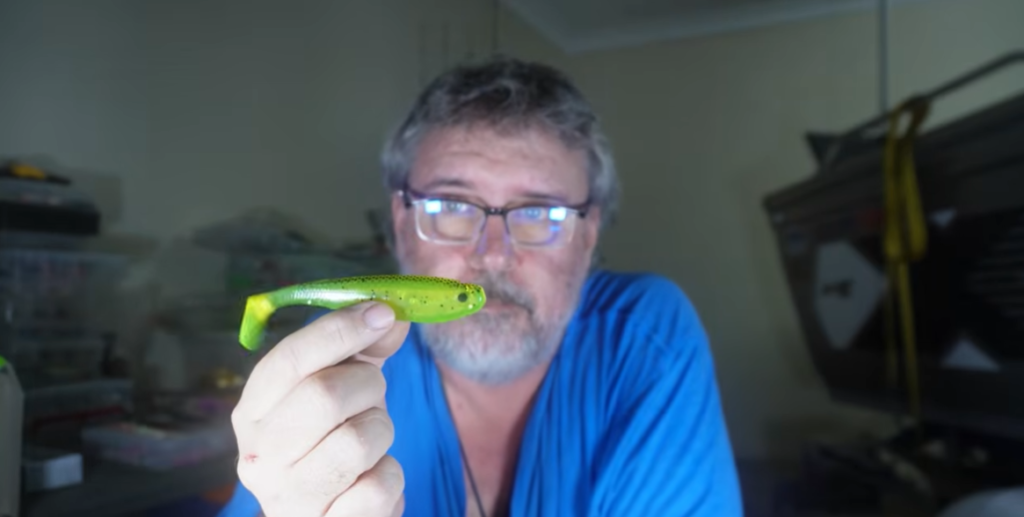
In dirty water, use brighter colours. Pink, green, chartreuse, orange, and other high-visibility colours can help fish find the lure.
You do not need every colour in the shop. Start simple:
Natural colours for clean water.
Bright colours for dirty water.
From there, you can test what works in your local area.
10. You’re Fishing the Wrong Tide
Tide matters with soft plastic fishing.
Most fish feed better when water is moving. Current helps move bait, activates structure, and gives soft plastics more natural tail movement.
Slack water can be hard. During dead tide, fish often slow down and stop feeding. That doesn’t mean you can never catch them, but moving water usually gives you a better chance.
Pay attention to which tide works in your area. Some fish prefer the run-out. Others bite better on the first of the run-in. The important thing is to start noticing patterns.
11. You Give Up Too Early
Soft plastic fishing takes time.
It is not as relaxing as throwing out bait and sitting back. You need to cast, work the lure, watch the line, change angles, change weights, and keep thinking.
That can be frustrating at first.
But once it clicks, soft plastic fishing becomes addictive. You can cover water, target structure, and catch fish without carrying bait. Some days, lures will even outfish bait.
If you’re struggling, don’t quit. Slow down, use the right jig head, match the plastic size, fish structure, watch your line, and keep practicing.
Final Thoughts: Fix These Soft Plastic Fishing Mistakes First
If your soft plastics aren’t working, don’t blame the lure straight away. Most of the time, the problem is how the lure is being fished.
The biggest soft plastic fishing mistakes are working too fast, using the wrong jig head, choosing the wrong size, fishing empty water, ignoring structure, missing bites on the drop, and giving up too soon.
Start by slowing down. Let the lure hit bottom. Use small rod movements. Pause longer. Watch your line. Fish structure and drains. Match the jig head to the depth and current.
Once you fix those basics, soft plastics become a lot more effective.
If you want more practical Aussie fishing tips, check out more guides on Shannons Fishing and keep working on the simple things first.
More Fishing Guides & Resources
Want more practical fishing tips you can use straight away? Check out the latest Shannon’s Fishing PDF guides covering rigs, bait tricks, lure techniques, and proven methods for catching more fish around Australia.