
Fishing scent on lures is one of those subjects that can stir fishos up very quickly. Some anglers would not throw a soft plastic without adding scent, while others reckon it crosses the line between lure fishing and bait fishing. I am firmly in the old-school camp. If I want to fish with bait, I use bait. If I want to fish with lures, I want the lure itself—and the way I work it—to fool the fish.
That does not mean I believe scent is useless. I know it works, I have used it myself over the years, and I have seen fish hold onto scented lures longer. The real question is not whether fishing scent on lures can help. The question is whether adding it takes some of the skill and challenge out of lure fishing.
Is Fishing Scent on Lures Really Cheating?
I jokingly call scent “cheating juice”, and that comment sometimes gets people fired up. But think about what happens when you cover a lure in fish attractant. You still have the flash, vibration, shape and movement of a lure, but you have also added a smell or flavour designed to make it seem like food.
In other words, fishing scent on lures gives you part lure and part bait. The lure creates the visual target and action, while the scent can give a fish extra confidence to come closer, bite or keep the lure in its mouth.
That is why the fishing scent on lures debate is not as simple as saying scent works or does not work. It really comes down to what each angler wants from lure fishing.
Does that make it genuine cheating? There are no rules saying you cannot use it, so of course it is still legal lure fishing. Anglers use every advantage available, from quality electronics and thin braided line to realistic finishes and advanced lure materials. Scent is simply another tool. However, for an old-school fisho, it can feel like a shortcut—and that is where the argument begins.
Does Fishing Scent on Lures Actually Work?
From what I have seen, yes, fishing scent on lures can work. It may not magically bring fish from miles away, and it will not fix every poor lure choice or bad retrieve. What it can do is encourage a fish to hold on for an extra moment, giving you more time to feel the bite and set the hook.
It can also help when the fishing is tough. If fish are following a lure, bumping it or only giving it a cautious nip, scent may be enough to turn that interest into a proper strike. It could be especially useful with soft plastics, slow-moving presentations or lures that remain close to a fish for longer.
The advantage of fishing scent on lures may therefore be less about attracting fish from a huge distance and more about what happens during those final moments before and after a bite.
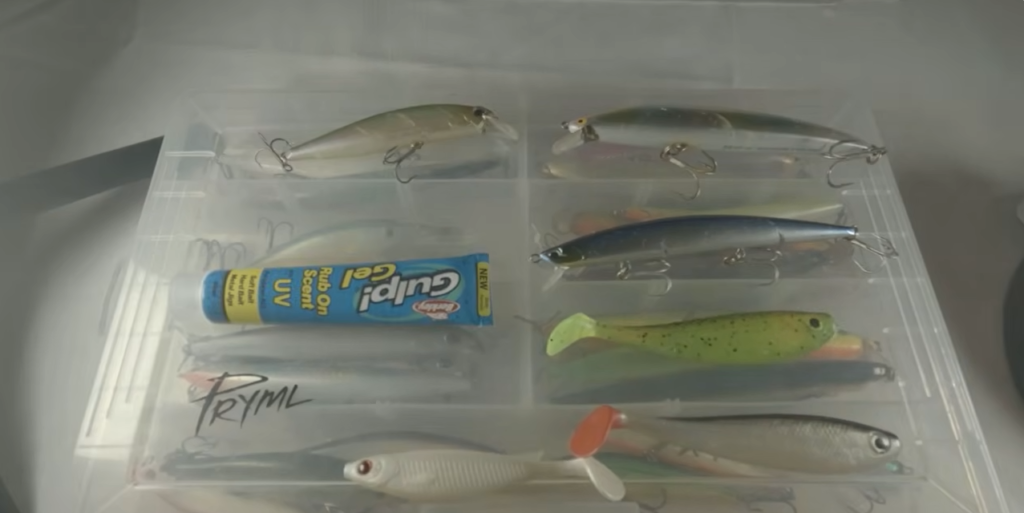
Manufacturers certainly build their products around this idea. For example, Berkley Australia explains that its Gulp! Gel disperses scent and flavour through the water, allowing fish to detect the lure by smell and taste. That is a manufacturer’s explanation rather than the result of my planned comparison, but it gives us a clear claim to test underwater.
Even so, fishing scent on lures is not a replacement for getting the basics right. A badly presented lure with the wrong action is still a badly presented lure, no matter how much attractant you rub onto it.
You can see the equipment I recommend for different styles of fishing on my main Fishing Gear page.
Why Old-School Lure Fishing Is About Technique
For me, the satisfaction of lure fishing comes from putting all the pieces together. You need to choose the right lure for the species, depth and conditions. Then you need a rod that can work that lure properly, line and leader that suit the presentation, and a retrieve that makes the lure look alive.
Rod-tip action can make a huge difference. So can retrieve speed, pauses, twitches and the angle at which the lure moves through the water. Two anglers can use exactly the same lure beside each other, yet one may catch most of the fish because that angler has worked out the little details.
Those details are what make lure fishing so rewarding. Once you find the right combination, you start producing strikes because of what you have learned—not simply because the lure smells like something edible. That is why I generally prefer fishing without scent.
If I add fishing scent on lures every time the bite slows down, I may never learn which part of my natural presentation needed to change.
Reaction Strikes Without Added Scent
A good lure does not always need to convince a fish that it is food. Sometimes it only needs to trigger an instinctive reaction. The lure might move like escaping prey, flash past a fish’s face or suddenly pause in the strike zone. The fish reacts before it has time to inspect the presentation properly.
That reaction strike is the challenge I enjoy. It comes from choosing the right lure and working it with the right action. When a fish smashes an unscented lure because you finally cracked the retrieve, it is a fantastic feeling.
Using fishing scent on lures may improve the odds, particularly when fish have time to inspect the lure. But I do not want scent to cover up a mistake in my lure choice or technique. I would rather adjust the retrieve, change the lure, lighten the leader or alter the presentation until I find what triggers the bite.
When Using Scent Could Be Smart Fishing
Although I enjoy giving scent users a bit of stick, there are situations where adding it makes sense. On a difficult day, any legal edge can be useful. A beginner may also gain confidence from getting a few extra bites while learning how to work different lures.
Fishing scent on lures could be worth trying when:
- Fish follow the lure but will not commit.
- Soft plastics are being nipped or dropped quickly.
- The water is dirty and visibility is poor.
- You are using a slow presentation in one small area.
- You need a fish to hold the lure for another second.
There is nothing wrong with smart fishing. The important thing is knowing what the scent can and cannot do. It may add another attraction, but good technique still matters. You should not drown every lure in scent and stop experimenting with retrieve speed, lure colour, weight, leader or action.
Used that way, fishing scent on lures becomes one option in the tackle box rather than a substitute for learning how to fish a lure properly.
Testing Scented and Unscented Lures on Strike Cam
Opinions are easy; underwater evidence is much more interesting. That is why I plan to compare fishing scent on lures with completely unscented lures using Strike Cam. Once the weather gives me a chance, I will lower different presentations into the water and record how fish react.
I want to compare soft plastics, hard-body lures or both. One lure will be left unscented, while the others may be treated with Gulp scent and Squidgy scent. The aim is to keep the test as fair as possible and look for visible differences in fish behaviour.
Do fish approach a scented lure from farther away? Do they move closer and inspect it for longer? Are there more small nips, or does scent produce committed strikes? Most importantly, do fish keep a scented lure in their mouths longer than an unscented one?
One session will not settle every argument because current, water clarity, fish species and activity levels can all affect the result. Still, the footage should show far more than guesses made from above the water.
It should also give us a useful starting point for future fishing scent on lures tests under different conditions and with different species.
The Final Verdict: Smart Fishing or Cheating Juice?
My honest view is that fishing scent on lures works, but I still call it cheating juice. It combines the action of a lure with an extra smell or flavour that fish may recognise as food. For anglers who simply want to catch more fish, that is smart fishing. For those of us who love the challenge of producing a reaction strike through lure choice and technique, it can feel like a little bit of cheating.
Either way, the debate is part of the fun. Would you cover your lure in scent when the bite is tough, or would you keep changing your technique until you trigger a strike without it? Leave your opinion in the comments—and keep an eye out for the Strike Cam test comparing scented and unscented lures underwater.
The argument over fishing scent on lures probably will not end there, but at least we will have real underwater footage to add to the conversation.
More Fishing Guides & Resources
Want more practical fishing tips you can use straight away? Check out the latest Shannon’s Fishing PDF guides covering rigs, bait tricks, lure techniques, and proven methods for catching more fish around Australia.