
Do you really need expensive fishing gear to catch fish, or are you sometimes buying confidence? It is a fair question, especially when social media is full of anglers using premium rods, reels, braid and lures.
Expensive fishing gear certainly has advantages. It is usually smoother, lighter and more enjoyable to use. However, that does not mean it will instantly turn a beginner into a better angler.
In my experience, time on the water will improve your fishing far more than a large tackle bill. Expensive fishing gear still has its place, but knowing where, when and how to fish matters more.
Does Expensive Fishing Gear Help You Catch More Fish?
The honest answer is that expensive fishing gear can help in certain situations, but it cannot replace skill.
A quality reel will normally feel smoother than a very cheap model. It may have a stronger and more consistent drag, better bearings, a more comfortable handle and tighter tolerances. Premium reels also tend to be lighter and more compact for their strength.
The same applies to rods. A high-end graphite rod can be thin, light and crisp, with an action designed for a particular lure, technique or species. That can help you feel subtle bites, work a lure correctly and fish for longer without becoming as tired.
Those improvements are real. When everything is balanced properly, expensive fishing gear can make fishing more comfortable and enjoyable. The important point is that comfort and refinement are not the same thing as fishing ability.
A $1,000 outfit cannot tell you where the bait is, when the tide will turn or why birds are working over one section of water. The angler still needs to make those decisions.
What Are You Paying for With Premium Tackle?
Expensive fishing gear usually gives you refinement, reliability and specialised performance. Depending on the product, you may be paying for:
- A smoother and more reliable drag system
- Less weight and a more compact design
- Better rod sensitivity and a crisper action
- Stronger internal reel components
- Improved corrosion resistance
- More consistent quality control
- Better casting performance
- More comfortable handles and grips
These features become more important when you start targeting large, powerful fish. A good drag and a strong, well-balanced rod can give you more control over hard-running species. Quality equipment may also cope better with repeated use in harsh saltwater conditions.
That is where expensive fishing gear begins to earn its place. You are not paying for guaranteed fish; you are paying for performance, consistency and a better chance that your tackle will do its job under pressure.
You can see the equipment I recommend for different styles of fishing on my main Fishing Gear page.
Cheap Braid Versus Expensive Braid
Braid is one area where you can often feel the difference immediately.
Very cheap braid is commonly thicker for its stated breaking strain. It may have a coarse or wiry feel, and some cheaper four-strand lines can be noisier through the guides. That extra diameter may reduce casting distance and make the line more affected by current.
More expensive braid is often thinner, softer and more tightly woven. It generally casts better, feels smoother and gives you good contact with the lure or bait. When choosing expensive fishing gear, braid is one area where those small improvements can be useful.
You still do not need the dearest braid on the wall to catch fish. Choose a reputable line that suits your outfit and replace it when it becomes damaged or badly worn. A sensible mid-range braid is enough for many anglers.
Fishing Skill Comes From Time on the Water
The biggest mistake is thinking expensive fishing gear can take the place of experience.
Real fishing skill develops through time on the water. After enough trips, you begin to understand tides, moon phases, water temperature, water colour and current. You learn to notice bait schools, working birds and small changes in conditions.
You also learn how fish behave in different places. You discover which bank works on a certain tide, where bait gathers and when a normally quiet area is worth another cast.
Fighting fish is another learned skill. Starting with smaller fish teaches you how to set a drag, keep pressure on the line and use the rod properly. As your confidence grows, you can upgrade your tackle and begin chasing bigger, more powerful species.
No rod or reel can give you that experience. The best anglers are not successful simply because they own better equipment. They have spent years observing what happens around them and learning from days when the fish did not cooperate.
Social Media Makes Fishing Look More Expensive Than It Is
Social media can give beginners the wrong idea about the cost of fishing.
Popular anglers often use expensive fishing gear and premium lures. Young fishos see the tackle, clothing and boats in those videos and assume they need the same setup before they can catch anything.
That can put people off before they even begin. I have seen parents hesitate over taking their children fishing because they believe the first trip requires a pile of expensive fishing gear.
It does not. Expensive fishing gear is not the price of admission.
A beginner is unlikely to start by chasing giant dogtooth tuna or another extreme sportfish. A far better approach is to buy one reasonable outfit, head to a local river or estuary and learn the basics. In the tropics, that could mean targeting mangrove jack, trevally, queenfish or barramundi. Farther south, a lighter outfit can handle bream, whiting and flathead.
The goal of those first trips is to catch a few fish, build confidence and have fun.
How Much Should a Beginner Spend on Fishing Gear?
You do not need expensive fishing gear for your first outfit, but I would avoid the absolute cheapest tackle.
Ultra-cheap reels with mostly plastic construction can feel rough and may have poor drags. If the reel tangles line, locks up or fails quickly, a new angler is unlikely to enjoy the experience.
A balanced entry-level graphite rod and spinning reel combo around the $100 mark can be a much better starting point. It proves expensive fishing gear is not a requirement for learning the basics. Prices change, so shop around and ask a good tackle shop to match the rod, reel and line to the fishing you plan to do.
The Shimano Sienna is one example of an entry-level reel available in several light-line sizes. Shimano describes the Australian model as suitable for fishing from whiting through to flathead. You can view the current specifications on the official Shimano Australia Sienna reel page.
Before keeping any catch, check the current Queensland recreational fishing rules, including size limits, possession limits and closed seasons.
What to Look for in a First Combo
For a beginner or child, I would look for:
- A smooth reel with a drag that adjusts evenly
- A rod that feels light and comfortable in the hand
- An outfit matched to the local target species
- Line that is not too heavy for the fishing
- Replacement parts and service support from a known brand
- A price that does not make you afraid to use the outfit
Mid-range tackle often gives beginners the best balance. It is pleasant enough to use without the cost of expensive fishing gear, and it will handle a wide range of common estuary and inshore species.
Cheap Fishing Lures Versus Expensive Lures
The same argument about expensive fishing gear applies to lures.
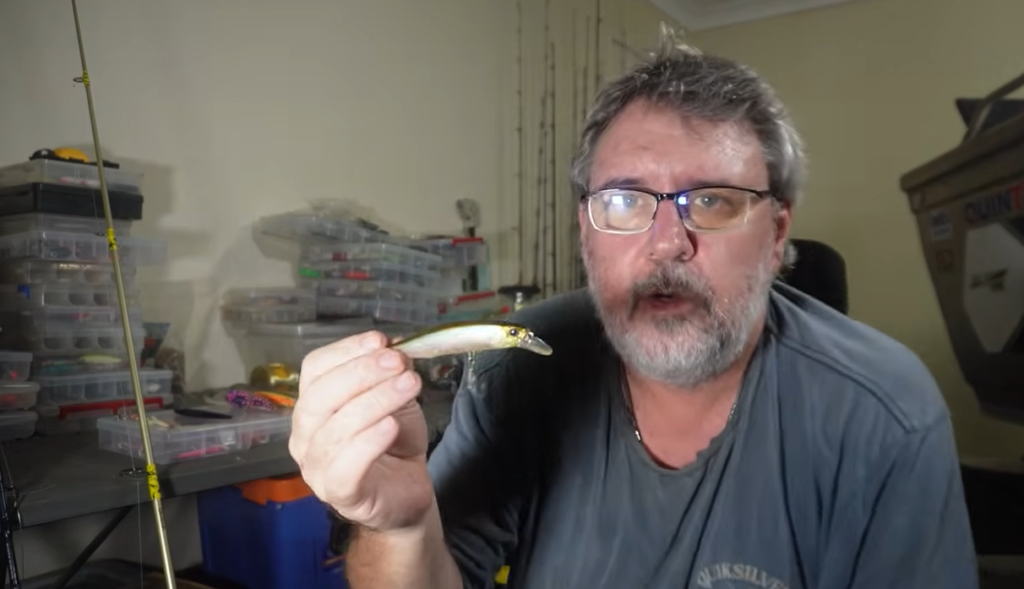
Premium hardbody lures can cost $30 or $40 each. They normally swim correctly straight from the packet, and the better models often have excellent paintwork, balance and actions. That reliability is valuable when you want one lure to perform properly without tuning or testing.
The downside becomes obvious when you are casting tight to mangroves, timber or rocky snags. It is hard to fish confidently when every poor cast could cost you $40.
Cheap lures can be a very useful alternative. Some of my favourites cost only a couple of dollars each. I can throw them deep into the mangroves all day, and losing one does not ruin the trip.
The catch is quality control. Some cheap lures will not swim straight, while others may need tuning or upgraded hooks and split rings. If you find an inexpensive lure that swims properly, it can catch plenty of fish.
One of my cheap hardbody lures has caught an 88-centimetre flathead down south, small giant trevally in the tropics and queenfish around a metre long. Fish do not know what the price tag said.
Are Expensive Lures Worth the Money?
Premium lures are worth considering when their action, diving depth, casting performance or reliability gives you a clear advantage. They can also be the right choice when you are fishing relatively open water and the risk of losing them is low.
Cheap lures make sense when you need to cast into high-risk country. You can fish aggressively, put the lure close to structure and accept that occasionally one will not come back.
Neither choice is automatically right. I carry both because they serve different jobs. Buying expensive fishing gear makes the most sense when you understand the advantage you are paying for.
When Should You Upgrade Your Fishing Gear?
Upgrade when your current tackle is limiting the fishing you want to do, not because somebody online owns a more costly setup. Expensive fishing gear should solve a real problem or improve a technique you already use.
It may be time to upgrade when:
- Your reel drag is not smooth enough for the fish you target
- Your rod is too heavy or lacks the required sensitivity
- Your outfit cannot safely handle the line class you need
- You fish often enough to benefit from lighter, more durable tackle
- A particular lure or technique requires more specialised equipment
- Your existing gear is unreliable despite proper maintenance
At that stage, expensive fishing gear can be a worthwhile investment. You will have enough experience to notice the difference and choose equipment for a genuine reason.
Until then, keep the setup simple. Spend the saved money on fuel, bait or more trips. Time on the water will teach you far more than standing in a tackle shop admiring the most expensive reel in the cabinet.
Does Expensive Fishing Gear Make You a Better Angler?
No. Expensive fishing gear does not automatically make you a better angler.
Expensive fishing gear can feel much nicer. It can improve casting, sensitivity and fish-fighting performance. It can also allow you to target larger fish with more confidence. Those are good reasons to buy premium tackle once your fishing demands it.
However, skill still comes from learning the water. Watch the tides, moon, temperature, bait and birds. Learn how to fight fish on sensible tackle and understand why one session works while another does not.
Start with a reasonable combo, buy a few lures you can afford to lose and go fishing. Enjoy it, learn something on every trip and upgrade as your skills and target species grow.
For more practical fishing advice, visit the Shannons Fishing Resources page for guides, cheat sheets and more fishing tips.
Now I want to hear from you: what matters more—good gear or time on the water? Also, what is the cheapest lure you have used, and what is the best fish you caught on it?
More Fishing Guides & Resources
Want more practical fishing tips you can use straight away? Check out the latest Shannon’s Fishing PDF guides covering rigs, bait tricks, lure techniques, and proven methods for catching more fish around Australia.