
Learning how to catch big snapper is often more about fixing simple mistakes than buying expensive new fishing gear. Many anglers find the right reef, use good bait and still come home with only small fish—or nothing at all.
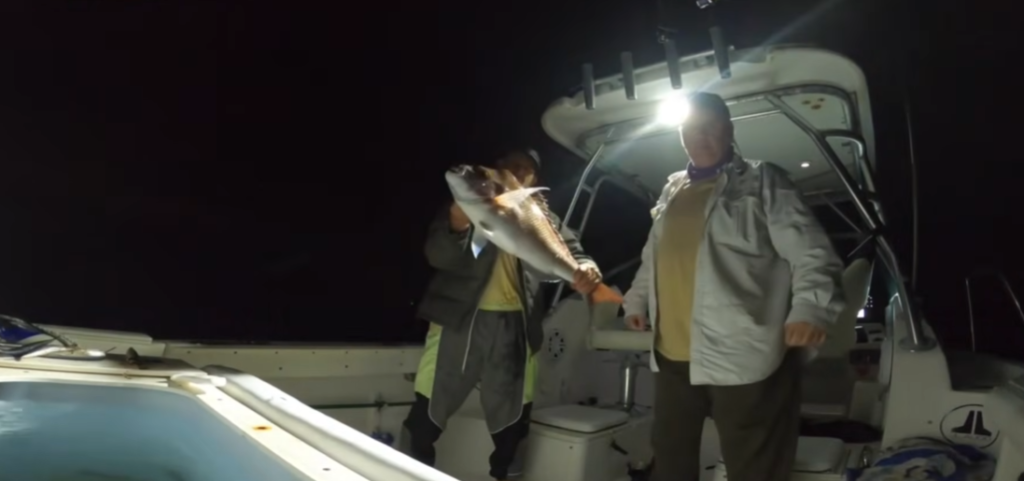
I recently finished a night session with a cracking snapper beside the boat. That fish was not caught by using massive reels, heavy line or a complicated rig. It came from presenting a fresh bait naturally in the right part of the reef.
Over the years, I have caught plenty of snapper in the 8kg to 12kg range and taken many other fishos out with me. The same problems appear again and again.
If you want to learn how to catch big snapper consistently, start with the following seven mistakes.
How to Catch Big Snapper Without Fishing Too Heavy
The most common mistake is fishing far too heavy. I regularly see anglers arrive with large spin reels or overheads loaded with 30lb to 50lb braid and 60lb or even 80lb leaders.
You are chasing snapper, not tiger sharks.
When learning how to catch big snapper, remember that heavy line and thick leader restrict the movement of your bait. They can make the whole presentation look unnatural, particularly when the current is light and the fish are cautious.
Big snapper do not become big by eating every suspicious bait that sinks past them.
My usual outfit is a compact baitcaster loaded with about 10kg braid and a 30lb leader. If I am fishing close to heavy structure, I may increase the leader to 40lb, but that is normally the maximum I need.
This light, balanced outfit has landed fish up to 12kg.
You can use a spin reel or Baitrunner if that is what you prefer. A reel in roughly the 4000 to 6000 size range with 10kg main line is enough for most situations.
One of the biggest lessons in how to catch big snapper is that heavier gear does not automatically catch bigger fish.
I have listed my recommended rods, reels and tackle on the Snapper Fishing Gear page.
Use the Smallest Sinker You Can
To understand how to catch big snapper, your sinker should be just heavy enough to get the bait down through the current. If no sinker is needed, do not use one.
Otherwise, select the smallest ball sinker that allows the bait to drift naturally.
A large sinker can drag the bait down too quickly and make it look unnatural. The aim is to let your bait float back through the water column like an easy meal washing away from the reef.
That natural descent is a major part of how to catch big snapper on a floatline.
My everyday rig is simple: a two-hook snelled rig, a small bead when required and a tiny ball sinker. There is nothing fancy about it.
Good presentation will beat an oversized, complicated rig nearly every time.
How to Catch Big Snapper by Floatlining Correctly
A lot of anglers say they are floatlining, but they cast out, place the rod in a holder and wait for a fish to hook itself.
That is not the method I use when targeting large snapper.
Proper floatlining is active fishing. Cast the bait behind the boat, open the bail arm or disengage the baitcaster and feed line from the reel by hand.
Keep releasing line so the bait can sink naturally instead of being pulled upwards by the current.
With a baitcaster, I rest my thumb lightly against the spool while feeding out braid. When a good fish takes the bait, the spool suddenly spins and the braid becomes hot under your thumb.
You will know immediately that something has picked it up.
Learning to control this feed is essential if you are serious about how to catch big snapper. It keeps your bait moving naturally and lets you recognise a proper run before setting the hooks.
Avoid This Common Baitrunner Mistake
The secondary drag on a Baitrunner is useful when fishing a heavy sinker on the bottom and allowing a fish to move away without feeling too much resistance.
It is not the best way to feed a floatlined bait through the water column. A key part of how to catch big snapper is using this reel correctly.
For floatlining, open the bail arm and pull line from the spool in the normal direction. Do not repeatedly drag line backwards against the roller because this can twist your mono.
Feed it cleanly and stay in contact with what the bait is doing.
Remove the Belly Before You Strike
When a fish runs, engage the reel and wind up the slack. Floatlining often creates a large belly in the line between the rod and bait.
If you strike immediately, you may only pull that slack through the water without driving the hooks home.
Wind until you feel solid weight loading the rod tip, then strike firmly.
This one change can make an enormous difference when learning how to catch big snapper, because a poorly timed strike often causes a large fish to feel resistance and drop the bait.
Choose Fresh Bait for Big Snapper
Fresh bait is one of the most important parts of how to catch big snapper. Frozen pilchards will catch good fish, but a freshly caught yakka, slimy mackerel or pike is difficult to beat.
Catch your bait around daybreak if possible and put it straight onto ice.
I like to cut a yakka or slimy in half on an angle, starting near the tail and cutting forwards towards the head. This opens the gut cavity and allows the natural juices and scent to flow into the water.
On my two-hook snelled rig, I use 5/0 hooks. I pass the top hook under the gill plate and out through the hard section between the eyes.
The second hook is lightly pinned through the flesh towards the tail end. This keeps the bait straight and allows both hooks to sit correctly.
You may not get as many bites from small pickers with a large fresh head bait, but that is the point. You are presenting a meal intended for a serious snapper.
Keep Pilchards Straight—and Rip Them in Half
When learning how to catch big snapper with pilchards, make sure they sit completely straight on the hooks.
A bent pilchard will spin in the current, twist your line and look unnatural to a cautious fish.
Here is another trick that has worked well for me. Instead of neatly cutting a pilchard in half with a knife, rip it in half.
When we tested ripped baits against neatly cut ones, the roughly torn pilchard was regularly eaten first. The torn flesh releases more scent and creates a more natural-looking bait.
This small detail may sound too simple, but how to catch big snapper often comes down to small improvements in bait presentation.
Fish the Edge of the Reef, Not the Top
Another major mistake when learning how to catch big snapper is anchoring directly over the best-looking section of reef.
That may produce squire and other reef fish, but it is not where I normally concentrate when searching for the bigger snapper.
Large fish often patrol the lower edge or outside edge of the reef. These areas act like a highway where snapper can cruise past and pick off bait, scraps and other food being washed away from the structure.
Position the boat so the stern sits close to the back edge of the reef. Your floatlined baits should drift down the face and out over the sand or broken ground behind it.
In an east coast westerly wind, the outside edge can be especially productive when the wind holds the boat in the correct position.
Boat position is a crucial part of how to catch big snapper. Being only a short distance out of position can mean your bait travels across the unproductive top of the reef instead of along the feeding lane used by the better fish.
A Simple Big Snapper Setup
To learn how to catch big snapper, you do not need an oversized outfit or a box full of complicated rigs.
My basic setup is:
- A light baitcaster, 4000–6000 spin reel or suitable Baitrunner
- Around 10kg braid or mono main line
- A 30lb leader, increasing to 40lb around heavy structure if necessary
- Two 5/0 hooks tied as a snelled rig
- A small bead if required
- The smallest ball sinker the current allows, or no sinker
- Fresh yakka, slimy mackerel, pike or a straight pilchard
This balanced setup lets the bait move naturally but still provides enough strength to land a quality snapper.
There is no need for 10kg or 15kg of drag. Sensible pressure and a properly set drag will stop these fish on surprisingly light gear.
Seven Big Snapper Mistakes to Avoid
If you want a quick checklist for how to catch big snapper, avoid these seven mistakes:
- Using unnecessarily heavy braid and leader.
- Selecting a sinker that makes the bait sink too quickly.
- Leaving a floatlined bait unattended in the rod holder.
- Striking before winding the belly out of the line.
- Using old bait or rigging a pilchard so it spins.
- Anchoring directly on top of the reef.
- Giving up before your bait reaches the feeding zone.
Learning how to catch big snapper requires patience because the fishing can be slow at times.
Stay focused, keep feeding line and give the fresh bait enough time to work. You are not trying to catch every picker on the reef; you are waiting for one quality fish to find the bait.
Final Advice on How to Catch Big Snapper
The best advice I can give anyone wondering how to catch big snapper is to keep everything light, simple and natural.
Use a compact outfit, a light leader, the smallest possible sinker and fresh bait. Feed the line manually, remove the slack before striking and place the bait along the edge where large snapper are likely to travel.
Do those things consistently and you will give yourself a far better chance of finding a big knobby.
Responsible fishing is also part of how to catch big snapper, so before every trip, check the current Queensland tidal fishing size and possession limits, along with any seasonal closures that apply to your fishing area.
More Fishing Guides & Resources
Want more practical fishing tips you can use straight away? Check out the latest Shannon’s Fishing PDF guides covering rigs, bait tricks, lure techniques, and proven methods for catching more fish around Australia.