
When the water temp hits that sweet spot after Christmas, the Spanish and Spotted Mackerel really start to fire up. While trolling dead baits is great, there are days when only a lively, kicking bait will get the job done. That is where knowing how to tie your own Mackerel live bait rigs becomes a game-changer.
Most people overcomplicate their gear with heavy wire and massive hooks, but I’ve found that a “less is more” approach—the Old School way—results in far more hookups. In this guide, I’m going to show you how to build a simple, light-wire rig that is perfect for yakkas (yellowtail scad) and slimies. Whether you are slow trolling or float lining on the anchor, these Mackerel live bait rigs are designed to stay stealthy and strong.
Why Custom Mackerel Live Bait Rigs Outfish Store-Bought Gear
Store-bought rigs often use stiff, single-strand wire that can kink or damp the natural movement of your bait. When we build Mackerel live bait rigs at home, we use 49-strand multi-strand wire. This stuff is as soft as silk and doesn’t kink, allowing your yakka or slimy to swim naturally for longer.
When a Spanish Mackerel is undecided, that extra bit of “kick” from a comfortable bait fish is often what triggers the strike. Plus, by making them yourself, you can adjust the hook spacing to perfectly suit the size of the bait you’ve just caught in the bait grounds.
The Essential Gear for “Old School” Rigging
Before you start, you need to have the right components on your bench. We aren’t looking for the shiniest gear; we’re looking for the gear that won’t let you down when a 15kg Spaniard is peeling line.
- Wire: 40lb multi-strand (49-strand) wire. It’s incredibly soft and durable.
- The Treble: A VMC size 2 treble hook. These are heavy-duty and won’t straighten under pressure.
- The Lead Hook: A small, inline straight hook (not offset) for the nose.
- Hardware: Quality crimps to suit 40lb wire, a small ball sinker, and a black crane swivel.
I always recommend checking the biological specs of Spanish Mackerel to understand their teeth and strike patterns—they are precision hunters, which is why your rig needs to be perfect.
See my Mackerel Fishing Gear page for the tackle and lures I recommend for casting and trolling.
Step-by-Step: How to Build Mackerel Live Bait Rigs
1. The Treble Connection
Cut a piece of your 40lb wire to about a foot and a half long. Slide on a crimp and your VMC size 2 treble. Create a small, neat loop and crimp it down. This treble is your “stinger”—it’s going to do most of the work when a mackerel clips the tail of your bait.
2. The “Cheating Snell” Nose Hook
This is an Old School secret that saves a lot of time. Take your small inline hook and pass the wire through the back of the eye. Slide it down until the distance between the treble and the nose hook matches your bait fish (usually about 4-5 inches for a standard yakka).
Wrap the wire around the shank of the hook 4 or 5 times, then pass the end back through the eye and pull tight. This “cheating snell” holds the hook firmly in place without needing a second crimp, keeping the rig light and stealthy.
3. Adding the Weight and Swivel
Slide a small ball sinker onto the wire. This provides just enough weight to keep the bait from “skipping” on the surface during a slow troll. Finally, crimp your black crane swivel to the other end. Your Mackerel live bait rigs are now ready for the water.
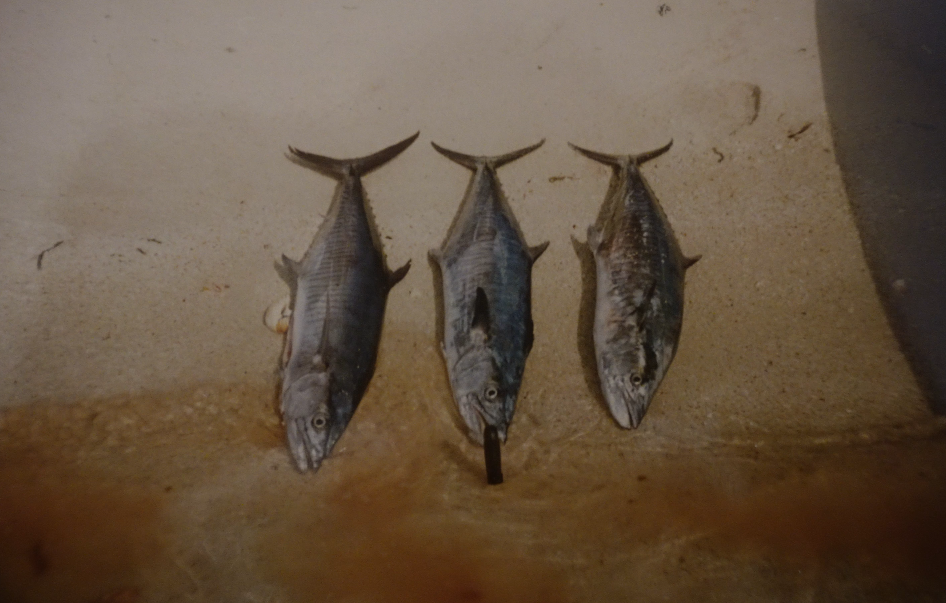
Mastering the Slow Troll and the Drift
The beauty of these Mackerel live bait rigs is their versatility. You can drop them behind a downrigger to find the cooler thermoclines, or simply let them out behind the boat while slow trolling at 1 or 2 knots.
If you find a massive school of bait on your sounder, don’t be afraid to stop the boat and let the rig drift down naturally. This is called “float lining,” and it’s a deadly way to target Spotties that are hanging deep under the bait. Just remember: if the bait starts spinning, your hooks are in crooked. Take it out, reset, and make sure that nose hook is dead center.
More Aussie Fishing Guides & Resources
Looking for more practical fishing tips? I’ve put together a growing collection of Shannons Fishing resources, including downloadable PDF guides, cheat sheets, rigs, bait tips, and step-by-step fishing advice made for Aussie fishos.
More Mackerel Fishing Guides
Mackerel Fishing Rigs and Lures: 7 Brutal Secrets for Success