
Welcome back, everyone! I know it’s been a little while since my last post—life has been incredibly busy lately, but I’m back and ready to make it up to you. To celebrate our return, I’m sharing a high-stakes secret that I’ve kept under my hat for years. I haven’t spoken about this, I haven’t shown it, and honestly, I’ve never even seen another angler using it on the water. If you want to level up your mackerel fishing rigs, you are in the right place.
We all know that chasing mackerel is a national pastime. Whether you are looking for a massive Spaniard or a high-speed Spotty, everyone loves the thrill of the strike. Today, I’m going to show you a specific trick to make your baits and rigs work significantly harder for you.
The Secret Component for Mackerel Fishing Rigs
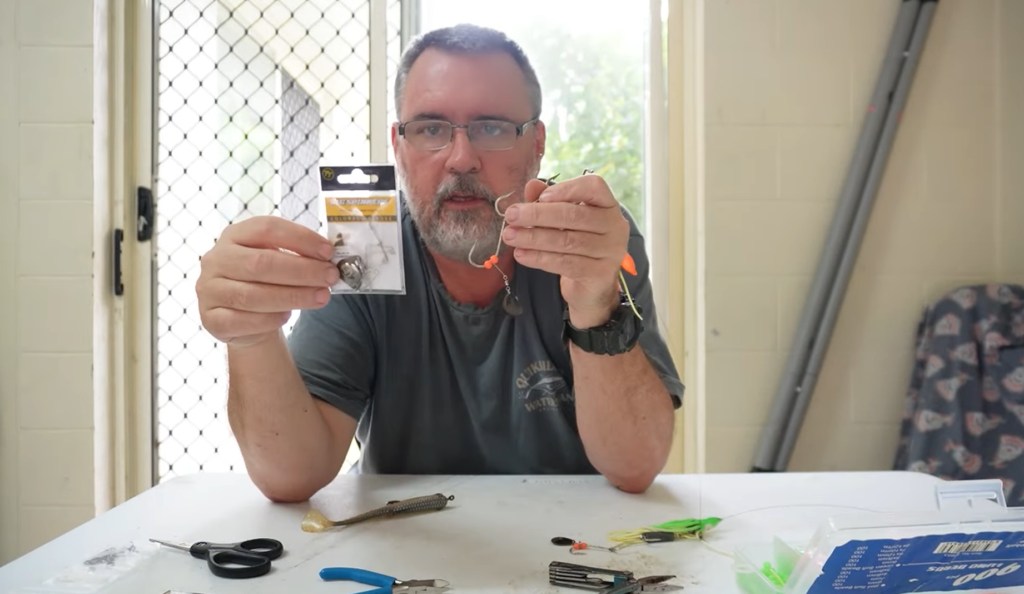
I went digging through my old gear recently to find the exact parts I used to use. While I couldn’t find my old stash, I picked up some new bits at the shop to demonstrate the concept. When we talk about effective mackerel fishing rigs, we usually think about gang hooks and wire traces. But the “missing link” is actually a spinner blade.
Specifically, I’m talking about TT blades or long, skinny silver willow blades. You want something about 2 cm long—skinny and pointy. These blades add a level of visual stimulation that a standard dead bait simply cannot match. You can find these types of accessories at most major tackle retailers like Bait Tackle Store or your local independent shop.
Why This Modification Outperforms Standard Baits
The best mackerel fishing rigs rely on two things: scent and sight. When you are out there on a beautiful sunny morning slow trolling, you might go hours without a strike. A standard pilchard or garfish leaves a great scent trail, but in the vast ocean, you need something to grab their attention from a distance.
This is where the silver blade comes in. As you slow troll your bait, the blade spins rapidly, reflecting the sunlight and sending flashes deep into the water column. To a mackerel, that flash looks like a panicked baitfish or a flickering scale. On a sunny day, the silver reflection can bring fish in from miles away. Once they get close, the smell of your bait seals the deal. It is a deadly combination that I’ve used to outperform every other boat in the area.
How to Assemble Your Enhanced Mackerel Fishing Rigs
Rigging this up is simpler than you might think, and it doesn’t interfere with your hook-up rate. Here is the step-by-step breakdown:
- The Blade Setup: Use a small black swivel joined to your silver blade with a tiny split ring. You want the swivel to ensure the blade spins freely without twisting your line.
- The Lumo Beads: Take two small lumo beads. These are the anchors for your flash.
- Securing to the Hook: Slide one lumo bead onto your last hook, then slide the split ring of your blade assembly onto the hook, and finish with the second lumo bead.
- The Result: The beads hold the split ring firmly in place. When you pull on it, it shouldn’t move.
When your bait is rigged—whether it’s a pilchard, garfish, or even a larger bonito—the blade sits just under or slightly past the tail. It spins away in the wash, creating massive amounts of flash while the bait provides the natural profile and oily scent mackerel crave.
See my Mackerel Fishing Gear page for the tackle and lures I recommend for casting and trolling.
Testing Your New Rigs on the Water
If you’re skeptical, I have a challenge for you. Most of you are probably trolling two or three mackerel fishing rigs at a time. On your next trip, rig one with this spinner blade method and leave the others standard. I would bet my favorite rod that the rigged version will get hit first.
This works for almost any bait size. If you’re using small “pilts,” use a smaller blade. If you’re trolling big dead bonito or garfish for trophy Spaniards, move up to a larger willow blade. The key is that the bait must be moving. This is a slow-trolling specialty that works absolute treats in the summer months when the sun is high and the water is clear.
Final Thoughts from Shannons Fishing
It’s funny how we often forget the simplest tricks. I moved up to Cairns and almost forgot about this myself until a conversation in a tackle shop reminded me of the “blade hack.” Since mackerel season is just around the corner, now is the perfect time to stock up on silver blades, split rings, and lumo beads.
Don’t be afraid to experiment. I’ve even seen people try to put small arms on the blades to drop them lower under the bait, but I prefer the tight, close-to-the-hook setup to ensure it doesn’t get tangled. Give it a crack, and I’m sure you’ll see the results.
If you enjoyed this tip, please hit the like button to help the algorithm! Don’t forget to subscribe to Shannons Fishing so you never miss another secret tip from the deep.
More Aussie Fishing Guides & Resources
Looking for more practical fishing tips? I’ve put together a growing collection of Shannons Fishing resources, including downloadable PDF guides, cheat sheets, rigs, bait tips, and step-by-step fishing advice made for Aussie fishos.
More Mackerel Fishing Guides
Mackerel Fishing Rigs and Lures