
It’s that time of year again, legends. The water is warming up, Christmas has passed, and the Spanish and Spotted Mackerel are finally starting to show their faces. There is nothing quite like the scream of a reel when a big Spaniard hits a bait, but to get that strike, you need a rig that swims perfectly. Using DIY Mackerel trolling rigs can significantly enhance your chances of success.
In this guide, I’m going to show you how to make one of my DIY Mackerel trolling rigs. This is a small, “Old School” dead bait rig specifically designed for pilchards and small slimy mackerel. If you want to stop paying “school fees” with lost gear and missed strikes, follow these steps to build a rig that tracks straight and stays in the strike zone.
With the right DIY Mackerel trolling rigs, you can optimize your fishing experience and ensure a great catch.
Why Old School DIY Mackerel Trolling Rigs Outfish Store-Bought Gear
Most off-the-shelf rigs are made with heavy-duty components that look great in the packaging but act like a “scarecrow” in the water. When you build your own DIY Mackerel trolling rigs, you have control over the wire gauge, the hook flexibility, and the weight.
I prefer using 44lb single-strand piano wire. It’s thin enough to be nearly invisible to a sharp-eyed Spotted Mackerel but tough enough to handle the razor-sharp teeth of a Spanish Mackerel. Using the right materials is the first secret to filling the hatch.
The Essential Component List
To build this rig properly, you’ll need a few specific items from your tackle box:
- Wire: 44lb single-strand piano wire (cut to about a foot long).
- Hooks: Three Mustad 7766 (3/0) hooks. These are “soft steel” hooks, which are essential for ganging because they won’t snap when you open the eyes.
- Lead: A 22-gram net lead (sinker).
- Accessories: One bait spring and a small squid skirt to dress it up.
- Swivel: A small black crane swivel to prevent line twist.
See my Mackerel Fishing Gear page for the tackle and lures I recommend for casting and trolling.
Step-by-Step: Assembling Your DIY Mackerel Trolling Rigs
1. Ganging the Hooks
Start by taking your side cutters and gently opening the eyes of two of your Mustad hooks. You don’t need much—just enough to slip the next hook through. Once they are joined, use your pliers to crimp them shut. You now have a 3-hook gang that is perfectly aligned and straight.
2. Weighting the Rig for Straight Swimming
A trolling bait that spins is a bait that won’t get hit. To keep it tracking straight, we use a 22g net lead. Measure it against your top hook; if it’s too long, trim a few millimeters off with your side cutters. Crimp the lead directly onto the shank of the top hook. This keeps the “nose” of your bait down and prevents it from surfacing or spinning at speed.
3. The Haywire Twist and Bait Spring
Pass your wire through the eye of the top hook. Leave about an inch and a half of “tag” end. Perform a haywire twist—twisting both wires around each other—for about 3 or 4 turns, then finish with a tight barrel wrap.
Pro Tip: Don’t break the tag end off yet! Slide your bait spring over the wire first, then your squid skirt. The squid skirt is just “dressing”—I’ve caught fish on pink, green, and white. It doesn’t matter the color as much as the profile.
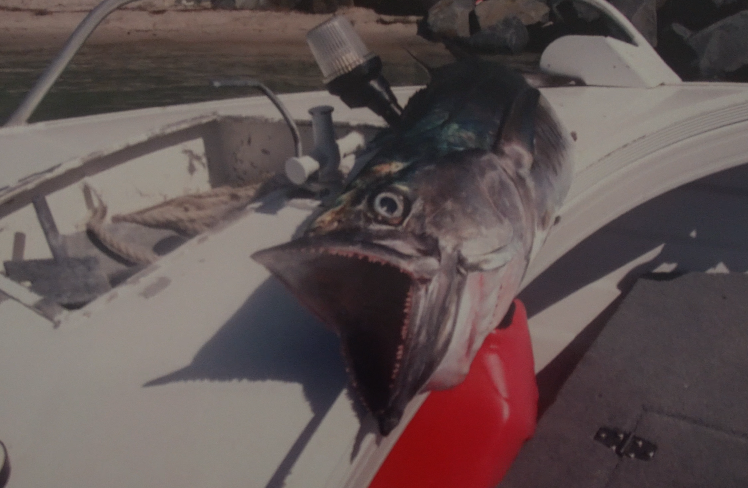
How to Fish These Rigs for Maximum Strikes
Once your DIY Mackerel trolling rigs are assembled, it’s all about the presentation. These are designed for slow trolling. You can run them out the back or even on a downrigger to get them deep into the cooler water where the bigger Spanish Mackerel often lurk.
The “Stop and Sink” method is a classic old-school move. If you find a school of bait on your sounder, stop the boat. Let the 22g lead sink the bait down into the school. After a few seconds, drive away. That sudden movement of a “wounded” bait pulling out of the school is an irresistible trigger for a predator.
Make sure you check your local fishing regulations and size limits before heading out, as Mackerel rules can change depending on your zone.
More Aussie Fishing Guides & Resources
Looking for more practical fishing tips? I’ve put together a growing collection of Shannons Fishing resources, including downloadable PDF guides, cheat sheets, rigs, bait tips, and step-by-step fishing advice made for Aussie fishos.
More Mackerel Fishing Guides
Mackerel Fishing Rigs and Lures: 7 Brutal Secrets for Success