
This is a cracker of a setup. While everyone else is arguing over 15lb fluorocarbon and tiny hooks, I’m out there targeting the 8kg to 10kg “knobbies” that snap light gear like sewing thread.
Here is the full breakdown of my go-to rig for Big Snapper Fishing.
Big Snapper Fishing season is just around the corner, and even though we are still in mackerel season, it’s time to start prepping the heavy gear. I’ve shared a few mackerel tips lately, but today I want to walk you through my absolute favorite float lining rig. This setup is simple to build, but there are a few “Old School” tweaks I use that make it a stone-cold killer on the reefs.
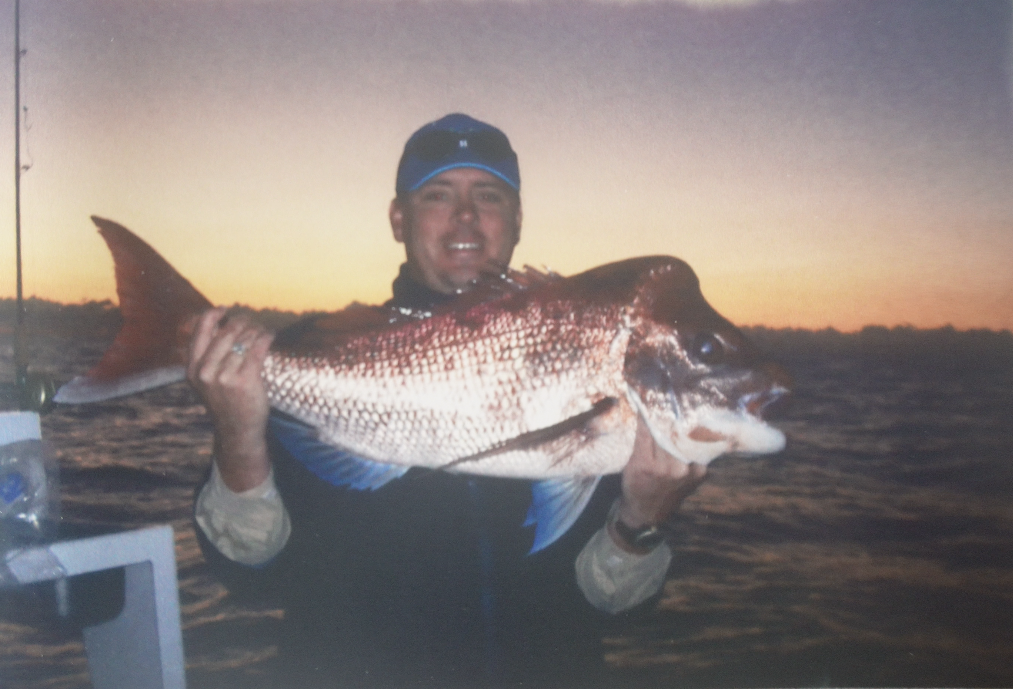
If you are serious about Big Snapper Fishing, you have to move past the idea of just catching a “feed of squire.” I’m looking for the 8kg, 9kg, and 10kg reds. To land fish that size, you need a rig that is built for combat, not just for bites.
Choosing the Right Leader for Big Snapper Fishing
The first thing people argue about is leader weight. I found a box of 30lb mono in the shed, which is what I’ll use for this demonstration, but usually, I run 30lb fluorocarbon. I know a lot of guys will jump on me and say that’s too heavy, but when you are Big Snapper Fishing for trophies, you need that insurance.
I’ve been out with blokes running 15lb or 20lb gear, and I catch just as many fish on the 30lb. The difference is, when that 10kg knobby tries to run you into the jagged reef, I actually have a chance of stopping her. I like to keep my leaders long—usually three to four meters. This keeps your braid well away from the reef, as those big girls will dive straight for the rocks the second they feel the hook.
The Secret Components of a Trophy Rig
For the business end of Big Snapper Fishing, I don’t use fancy gear. I go for a 5/0 Octopus hook—something like a BKK or a Gamakatsu because they are razor-sharp and incredibly strong.
But here is the “twist” that most people miss:
- Lumo Tubing: I use about two inches of green lumo tube between my two snell hooks. Snapper aren’t shy of it; in fact, they seem attracted to it. More importantly, it acts as a protector for your line against those crushing teeth.
- Lumo Beads: I slide a lumo bead on above the hooks. This adds a bit of “bling,” but its real job is to stop the sinker from banging against the hook. If you listen closely, a sinker hitting a hook makes a “teeny” metallic sound. I don’t think that does you any favors when Big Snapper Fishing near the bottom.
I have listed my recommended rods, reels and tackle on the Snapper Fishing Gear page.
Building the Float Lining Rig
Start by tying your bottom hook with a simple Uni knot. Slide your lumo tube on, then snell your second hook about 4-5 inches above the first. This gap is perfect for half-slimies, yakkas, or big fillets.
When it comes to sinkers, the rule for Big Snapper Fishing is always: as small as possible. I usually start with a double-zero or triple-zero, depending on the current. You’ll have to change this throughout the day to keep your bait wafting naturally through the water column. If it’s not drifting naturally, the big fish won’t touch it.
Why I Ditch the Swivels
You won’t find a swivel on my Big Snapper Fishing rigs. I tie my leader straight to my mainline using an FG knot or an Albright. As long as you bait up your fish properly so they don’t spin, you don’t need a swivel. This creates a much stealthier presentation and one less point of failure when a monster red is peeling drag.
This rig has accounted for more snapper than I can count, along with Mulloway, Cobia, Mackerel and even big Tailor. It’s a versatile setup that works because it protects the line and presents the bait perfectly. If you want to see the specific hooks I recommend, you can check out some of the heavy-duty terminal tackle here to see the difference in strength.
Final Thoughts on Big Snapper Fishing
At the end of the day, Big Snapper Fishing is about confidence in your gear. If you’re worried about your knots or your leader being too light, you won’t fish as effectively. Build this rig, trust the lumo tube to protect your line, and wait for that rod to buckle.
In my next video, I’ll show you exactly how to bait this rig up so it doesn’t spin and looks 100% natural to a hungry snapper. Stay tuned, and if you haven’t already, subscribe so you don’t miss the next “Old School” tip.
More Aussie Fishing Guides & Resources
Looking for more practical fishing tips? I’ve put together a growing collection of Shannons Fishing resources, including downloadable PDF guides, cheat sheets, rigs, bait tips, and step-by-step fishing advice made for Aussie fishos.