
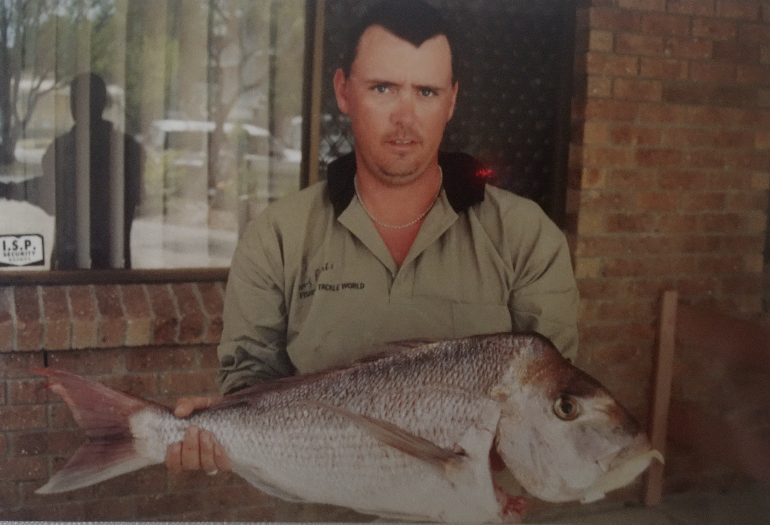
Float lining for snapper is an art form that most people get dead wrong. I still take people out fishing and try to teach them the ropes, but I see the same mistake every time: they put a bit of line out, stick the rod in the holder, and wonder why I’m going home with a trophy snapper while they’re going home with nothing. If you think sticking a rod in a holder is float lining for snapper, you’ve already lost the battle.
To do this properly, it takes a bit of time and focus, but it’s not hard once you understand the physics of the water column. You want your bait to look like a natural bit of food drifting down, not something anchored to a sinker or tethered to a tight line.
Why Baitcasters Rule for Float Lining for Snapper
When it comes to my favorite outfits for float lining for snapper, I’ll pick a baitcaster every single time. I use a little 5-foot-6 rod I had built years ago—originally for Barramundi, but it’s perfect for big reds. I run two main reels: a Shimano Calcutta and a Curado. Both have incredibly smooth, strong drags that can handle a knobby snapper heading for the bricks.
The reason I prefer baitcasters over spinning reels is control. When I’m float lining for snapper, I stand there with my thumb lightly on the spool, feeding line out manually. I want to see slack line between my rod tip and the water at all times. If that line pulls tight, the bait isn’t sinking naturally. A baitcaster allows you to pull line off the tip easily without the jerkiness you sometimes get with a spinning reel’s bail arm.
The Secret of the Slack Line
The biggest secret to float lining for snapper is the “belly” in your line. I put the bait in the water, let the tide grab it, and just keep feeding line out. You want that bait floating down through the water column very, very slowly. Sinker sizes will vary based on the current of the day-night, but I’ll go with no sinker at all if the conditions allow it.
One of the best things about using a baitcaster for float lining for snapper is the “hot thumb” moment. When a big fish grabs the bait and peels off, your thumb starts getting warm from the friction on the spool. That’s when you know you’re on. You just click the handle, the reel engages into fighting mode, and you’re ready to go.
Stop Striking Too Early
This is where I see most people fail when float lining for snapper. They get a run, click the gear in, and immediately strike as hard as they can. Wrong! Because you’ve been feeding out slack line, there is a massive “belly” in the line between you and the fish.
If you strike straight away, all you’re doing is pulling the slack through the water. The snapper feels that weird tension, realizes something is wrong, and spits the bait before the hook ever touches them. When float lining for snapper, you need to click into gear and wind like the clappers. Wind until the rod tip stays solid and you feel the actual weight of the fish. Then you strike to set the hooks.
Why Spinning Reels Can Kill Your Catch Rate
I’m not a fan of spinning reels for this specific style of fishing. I see it all the time: a bloke gets a screaming run from a big fish, he’s trying to flip the bail arm over, but the line is flying off so fast it hits the arm and bounces back. They get flustered, the bail arm won’t close, and by the time they get it sorted, the fish has turned away and dropped the bait.
With a baitcaster, you just click the gear in. Simple. No fluster, no mess. You’re in the fight instantly. This same methodical approach to float lining for snapper works exceptionally well for soft plastics too. Cast up-current, let the plastic sink on a slack line, and just feed it out. Don’t twitch it; let the tail do the work while it wafts down naturally.
I have listed my recommended rods, reels and tackle on the Snapper Fishing Gear page.
Final Tips for the Close Reefs
Consistency comes down to the details. Keep your presentation natural and stay focused on that line. If you aren’t actively feeding line out, you aren’t really float lining for snapper. It takes effort, but the results speak for themselves when you’re the one at the cleaning table with the big knobbies.
Before you head out to the reefs, make sure you’re across the latest official QLD fishing rules to stay legal with your snapper sizes and bag limits.
More Aussie Fishing Guides & Resources
Looking for more practical fishing tips? I’ve put together a growing collection of Shannons Fishing resources, including downloadable PDF guides, cheat sheets, rigs, bait tips, and step-by-step fishing advice made for Aussie fishos.