
Guide to Mulloway Fishing success starts with one realization: these are not your average fish. Known as the “silver ghost,” the Mulloway is a prize that requires patience, stealth, and a massive amount of technical knowledge. Whether you are fishing the deep reefs or the quietest river bends, this complete guide to mulloway fishing breaks down the exact 10 steps you need to follow to stop failing and start landing trophies.
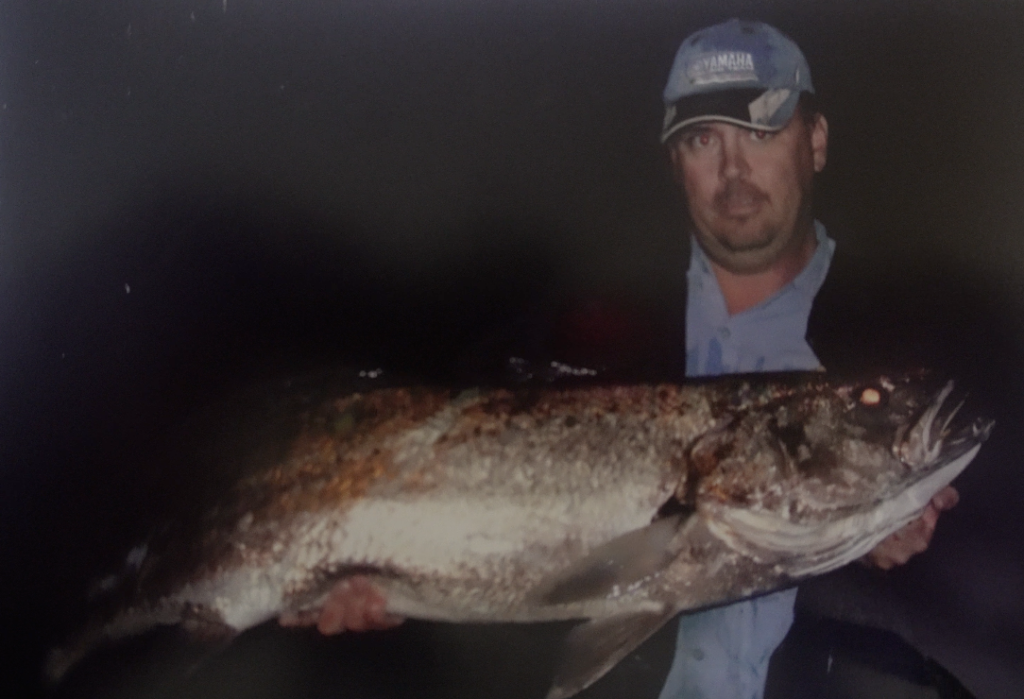
In this guide to mulloway fishing, we will pull from years of experience—from the high-pressure Gold Coast Seaway to the secret holes of rivers—to ensure you have the best chance at a 60lb beast.
Best Locations for Mulloway
Finding the fish is the first step in any successful guide to mulloway fishing. They are structure-oriented predators that use current to their advantage.
The Gold Coast Seaway & The Pipe
The Seaway is the epicenter of Mulloway action, but it’s a graveyard for tackle. The “Pipe” is an artificial reef where fish hold in the pressure shadow. To win here, you must master the “Bounce Back” technique, letting your bait drift naturally into the strike zone.
- Master the Pipe: How to Catch Mulloway: 5 Expert Secrets to Stop Failing at the Pipe
Wave Break Island & The Broadwater
If you want a guide to mulloway fishing from a kayak or small tinny, Wave Break is your classroom. It offers protection from the swell but provides the deep holes and tidal flow that big fish love.
Offshore Reefs & River Systems
From the 36-fathom reefs to the upper reaches of Rivers, Mulloway are everywhere if you know what to look for. In the reefs, look for 5-meter ledges; in the rivers, look for deep holes near bridge pylons.
- Reef Secrets: How to Catch Big Mulloway in Reefs: 9 Proven Stealth Secrets
- River Secrets: How to Catch Big Mulloway in Rivers: 7 Old School Stealth Secrets
Best Rigs and Gear for Mulloway
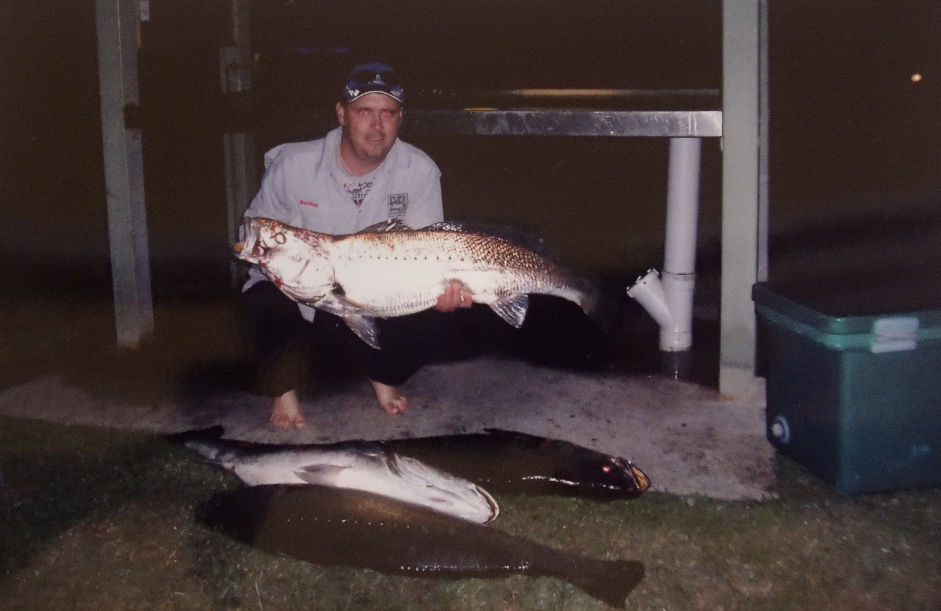
You cannot have a complete guide to mulloway fishing without mastering your terminal tackle. If your rig is too light, you’ll get dusted; if it’s too heavy, the fish won’t touch it.
The Rod and Reel Setup
I recommend a rod with a sensitive tip to feel the subtle “thump” of a take but a massive backbone to turn a 20kg fish away from the rocks. A overhead or a 10,000-sized spin reel spooled with 15-24kg line is standard for offshore work.
- Gear Recommendations: 4 Best Rod and Reel for Mulloway Fishing
The #1 Best Offshore Rig
For the reefs, the snelled rig is king. It allows the bait to swim naturally and prevents the fish from feeling the lead’s weight. This is a critical factor in any guide to mulloway fishing when the fish are feeding tentatively.
Best Bait for Mulloway
Any guide to mulloway fishing that doesn’t focus on live bait is missing the point. While lures work, “livies” are the gold standard.
- Live Longfin Pike: The “Silver Bullet.” Their oily skin and frantic action are irresistible.
- Sea-Running Mullet: Essential during the winter months (July–August).
- Live Yakkas and Slimies: Reliable workhorses for offshore reef fishing.
The Lure Method
For lure enthusiasts, it’s all about the “slow roll.” Mulloway aren’t like Trevally; they don’t want to chase a high-speed bait. You need a slow, methodical retrieve to trigger a strike.
Best Tides & Conditions
The “When” is just as important as the “Where.” To maximize your results in this guide to mulloway fishing, you need to align your session with the moon and tide.
- The Magic Hour: The 30 minutes on either side of the tide change (High or Low) is the peak bite window.
- The Night Shift: I find 1:00 AM to 4:00 AM to be the most productive time for trophy fish in river systems.
- Barometer: A steady or rising barometer above 1015hPa is the “green light” for a session.
Techniques That Work
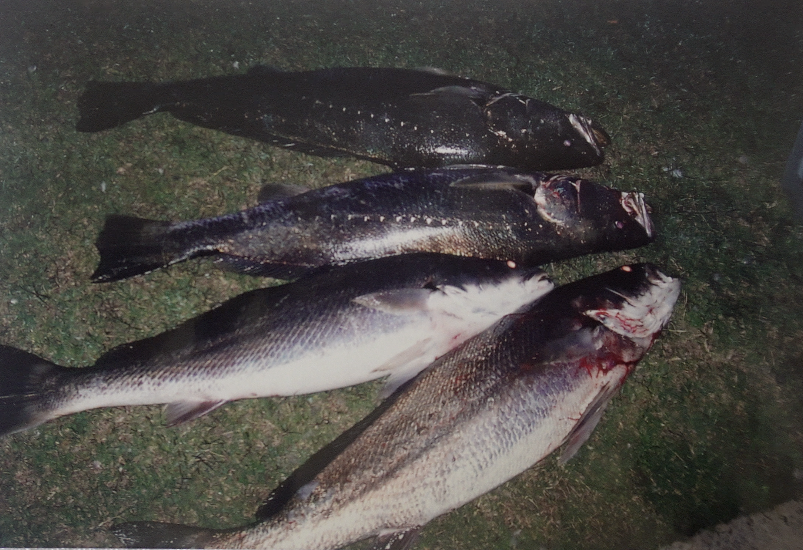
Understanding a guide to mulloway fishing involves more than just casting. It is about “Stealth and Stillness.”
The “Bounce Back” Method
In high-current areas like the Seaway, you don’t just drop your bait and sit. You “bounce” the sinker along the bottom, letting the current carry your bait back toward the structure. This mimics a wounded baitfish being swept out to sea.
Stealth is Your Secret Weapon
Mulloway have incredibly sensitive lateral lines. In shallow water or river systems, turn off the motor and use the tide to drift into position. Silence is the most underrated part of any guide to mulloway fishing.
- Don’t Lose Your Gear: 7 Expert Tips on How to Catch Jewfish Without Losing Your Gear
Common Mistakes
- Fishing Too Light: People try to use snapper gear for 20kg fish. You will lose 9 out of 10 fish.
- Poor Bait Quality: A “tired” live bait won’t get hit. Change your baits every 20–30 minutes.
- Leaving Too Soon: These fish swim in “laps.”Around Reefs, If the bite dies, wait 45 minutes for the school to circle back.
Final Tips
At the end of the day, this guide to mulloway fishing is a game of persistence. You will have nights where you get “dusted,” and nights where the water feels empty. But when that 60lb silver flank finally slides out of the dark, every cold hour on the water becomes worth it.
- Check Your Knots: Use a PR knot or a FG knot for your braid-to-leader connection.
- Sharp Hooks: Always use high-quality chemically sharpened hooks. BKK
- Stay Legal: Always check the Official QLD Size and Bag Limits before keeping a fish.
About the Expert: Shannon from Shannon’s Fishing
With over 30 years of experience chasing the “Silver Ghost” across Australia’s eastern seaboard, Shannon has turned a childhood obsession into a masterclass in coastal angling. From the heavy-current “Pipe” in the Gold Coast Seaway to the stealthy river bends of Southeast Queensland, Shannon’s “Old School” approach focuses on understanding fish behavior, tide cycles, and the art of the perfect live bait presentation.
Shannon doesn’t just fish for the cameras; he’s on the water at 2:00 AM testing the rigs and lures he recommends. His mission is to cut through the “gear hype” and provide everyday fishos with the raw, honest, and technical skills needed to land a 60lb trophy of a lifetime.
Connect with Shannon:
- Watch the Masterclass on YouTube: Shannons Fishing