
Choosing the right Mackerel fishing gear depends on how you intend to find and catch the fish. Trolling hard-bodied lures, slow-trolling live baits, rigging dead baits and casting metal slugs all place different demands on your rod, reel, line and terminal tackle.
After decades of targeting Spanish, spotted and school Mackerel in Australian waters, I have learned that heavier equipment is not automatically better. The outfit must be strong enough for fast-running fish while remaining balanced, enjoyable to use and suitable for the bait or lure being presented.
This page contains the reels, lures and Mackerel fishing equipment I use, have experience with or recommend for a particular fishing job.
Before targeting Mackerel, always check the current Queensland size and possession limits.
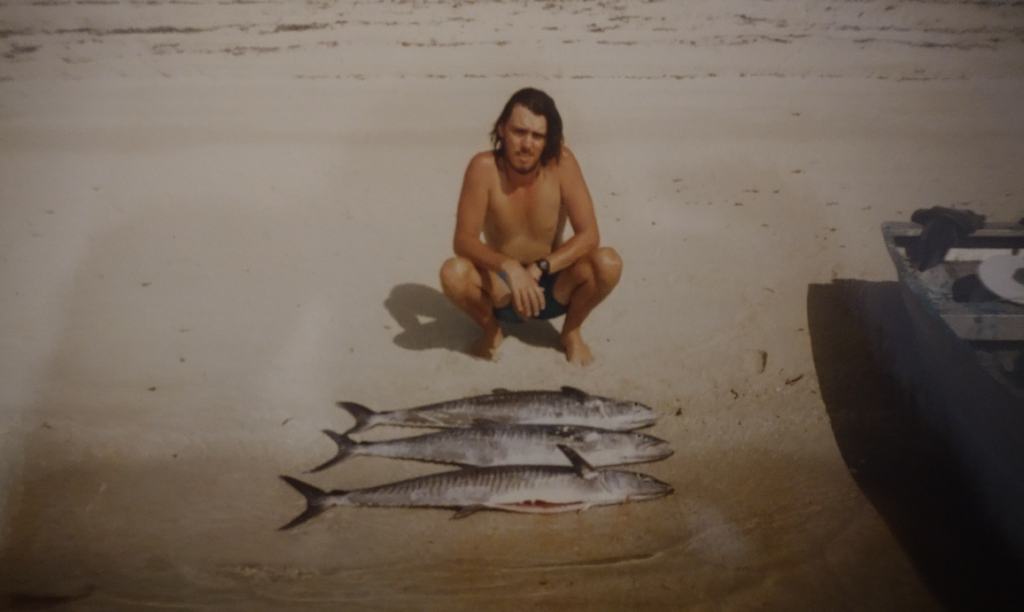
Mackerel Fishing Gear for Different Methods
Trolling Hard-Bodied Lures
Trolling hard-bodied lures is a practical way to cover water and locate feeding Mackerel. The reel requires sufficient line capacity and a dependable drag, while the rod needs enough flexibility to absorb the initial strike without pulling hooks.
Lures should track correctly at the intended trolling speed. Running lures at different depths can help you cover more of the water column and locate where the fish are feeding.
Trolling Live and Dead Baits
Live and dead baits require a balanced rig that swims naturally without spinning or being restricted by unnecessarily heavy components. Hooks, wire, swivels and any additional weight must suit the bait being used.
Always test a bait beside the boat before sending it into the trolling spread. If it spins or pulls sideways, retrieve it and correct the rig.
Casting Metal Slugs
A balanced spinning outfit is useful when Mackerel are feeding around bait schools or working birds. The reel should provide fast line recovery, while the rod needs enough casting ability to send small metal lures toward moving fish.
Extremely light equipment can be enjoyable in open water, but it may cause problems when many boats, anchor ropes and other fishing lines are nearby.
Fishing Deeper Bait Schools
When Mackerel are holding deeper, metal jigs, weighted baits or a downrigger may be needed to reach them. The selected outfit must handle the weight being used while maintaining enough sensitivity and control to fish at the required depth.
Mackerel Gear That Does the Job
These are some of the products I recommend for trolling, casting and targeting Australian Mackerel. Check the exact model and variation before ordering because reel sizes, lure colours and other specifications may differ between listings.
Affiliate disclosure: This page contains affiliate links. If you purchase through one of these links, I may earn a commission at no additional cost to you. As an Amazon Associate I earn from qualifying purchases.
How I Choose Mackerel Fishing Gear
I choose Mackerel equipment according to the fishing method, average size of fish and conditions rather than simply buying the heaviest outfit available.
Before recommending Mackerel fishing gear, I consider:
- Whether the outfit will be used for trolling, casting or jigging.
- The expected size of the Mackerel.
- Reel line capacity and drag reliability.
- The stretch or shock absorption provided by the line and rod.
- Lure swimming depth and trolling speed.
- Whether a live or dead bait will track naturally.
- The strength of hooks, split rings and wire.
- The number of boats and obstacles in the fishing area.
- Whether the equipment offers reasonable value.
Big game outfits have their place when targeting exceptionally large Spanish Mackerel, Wahoo or other powerful pelagic fish. For everyday Mackerel fishing, a lighter balanced outfit can be more versatile and enjoyable.
Mackerel Wire, Hooks and Terminal Tackle
Mackerel have extremely sharp teeth, so the bite section of the rig normally requires suitable wire. The style and strength of wire should be matched to the bait, lure and expected size of fish.
Softer multi-strand wire can help a live bait move naturally, while single-strand wire is useful for many trolling and rigging applications. Whichever material you choose, check it regularly for kinks, corrosion and damage.
Hooks and split rings also require close inspection. Factory hardware may be suitable for smaller fish but could need upgrading before targeting larger Spanish Mackerel. Any replacement hardware should remain balanced with the lure because excessively heavy hooks can affect its action.
Choosing Mackerel Trolling Lures
A good Mackerel trolling spread should cover different depths without constantly tangling. Deep-diving lures can be run closer to the boat, while shallower-running lures can be positioned farther back.
The most important test is how the lure swims. Before sending it into position, place it beside the boat and confirm that it tracks straight at the intended speed. A lure that continually rolls, spins or pulls to one side needs adjustment or replacement.
Expensive lures can provide better consistency and stronger hardware, but a properly swimming affordable lure can still catch plenty of fish. Select the lure for its depth, action and reliability rather than price alone.
Learn How to Use Your Mackerel Gear
The right equipment is only part of successful Mackerel fishing. Your bait must track correctly, your lures need to cover the strike zone and every connection must withstand a fast, violent hit.
Mackerel Fishing Gear Questions
What size reel is suitable for Mackerel?
It depends on the fishing method and expected fish size. A balanced 5000-size spinning reel can suit casting and general Mackerel fishing, while an overhead trolling reel provides additional line capacity for larger Spanish Mackerel and offshore trolling.
Do I need a heavy game outfit?
Not for every Mackerel. Heavy game equipment is useful for exceptionally large fish and mixed offshore trolling, but it can be unnecessary for spotted Mackerel and average-sized Spanish Mackerel.
Do I need wire when fishing for Mackerel?
Mackerel have sharp teeth and can cut ordinary leader very quickly. Suitable wire is normally required near the hooks, although its construction and strength should be matched to the bait, lure and target fish.
Should I replace the hooks on a new trolling lure?
Inspect the factory hooks and split rings before fishing. Upgrade them when they are unsuitable for the size and strength of fish being targeted, but avoid adding so much weight that it damages the lure’s action.
Is a spinning or overhead reel better?
Spinning reels are versatile for casting slugs, working lures and some live-bait fishing. Overhead reels are well suited to trolling and provide good line control. The best choice depends on how you plan to fish.
Looking for equipment for another fishing method? Visit my main Fishing Gear Hub for Live Bait, Mulloway, Snapper, lure and essential fishing equipment.