
Choosing the right Mulloway fishing gear depends on where you are fishing, the size of the bait and how quickly you need to stop the fish. A balanced river outfit can be very different from the heavier equipment required around offshore reef, bridge pylons or other unforgiving structure.
After decades of targeting Mulloway in Australian rivers, estuaries and offshore waters, I have learned that heavier gear is not automatically better. The outfit must provide enough strength to land the fish without destroying the natural presentation of your bait or lure.
This page contains the rods, reels, leader, hooks, lures and live-bait equipment I use, have experience with or would recommend for a particular Mulloway fishing situation.
For current information about Mulloway populations around Australia, read the official Status of Australian Fish Stocks assessment.
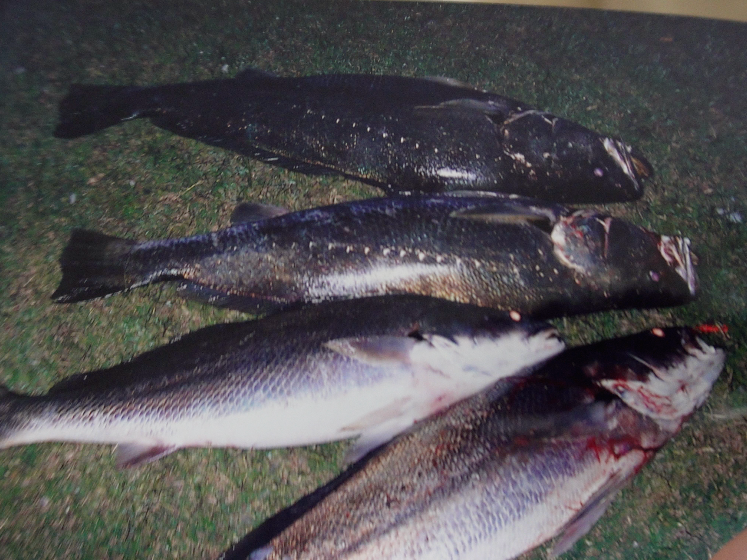
Mulloway Fishing Gear for Different Locations
Rivers and Shallow Flats
River and shallow-water Mulloway outfits should be balanced and comfortable enough to use for long periods. You need sufficient line capacity and drag pressure, but excessively heavy equipment can make casting and presenting smaller baits or lures more difficult.
Around open flats and channels, you can often give a large Mulloway room to run. This allows you to use lighter, more enjoyable equipment than you would around bridge pylons, rock walls or heavy timber.
Bridges and Heavy Structure
Mulloway hooked beside pylons, rock walls and other structure must be controlled quickly. The rod needs enough power to turn the fish, while the reel requires a dependable drag and sufficient line capacity.
Leader strength and abrasion resistance become particularly important because a Mulloway may use current and structure to wear through the connection.
Beaches and River Mouths
Beach and river-mouth fishing normally requires longer rods and reels with enough line capacity for longer casts. The outfit must also handle waves, current, larger sinkers and the possibility of hooking other powerful species.
Offshore Reefs
Offshore Mulloway fishing requires equipment that can handle deeper water, heavier sinkers and reef structure. The outfit should be powerful enough to control a quality fish while still allowing the bait to move naturally in the current.
Mulloway Gear That Does the Job
These are some of the products I recommend for presenting live baits and lures, building reliable rigs and targeting Mulloway around Australian rivers, estuaries and offshore structure. Check the product size and model carefully before ordering because the correct choice depends on your fishing location and target fish.
Affiliate disclosure: This page contains affiliate links. If you purchase through one of these links, I may earn a commission at no additional cost to you. As an Amazon Associate I earn from qualifying purchases.
How I Choose Mulloway Fishing Gear
I select Mulloway equipment as a complete system. The rod, reel, line, leader, hooks, sinker and bait must work together. Fitting one extremely heavy component does not automatically make the outfit stronger or more effective.
Before recommending Mulloway fishing gear, I consider:
- The amount of reef, rock, timber or artificial structure.
- The strength of the current.
- Whether the outfit will be used with live bait, natural bait or lures.
- The size and strength of the Mulloway likely to be encountered.
- The size of the bait or lure.
- Required casting distance.
- Reel line capacity and drag reliability.
- Leader abrasion resistance.
- Whether the hook is strong without unnecessarily restricting the bait.
My preference is to use an outfit that is heavy enough for the location but still balanced and enjoyable to fish with.
Mulloway Hooks, Leader and Terminal Tackle
Mulloway have a large mouth, but that does not mean every bait requires the biggest hook available. The hook should suit the bait’s size and leave enough point and gape exposed to produce a reliable hookup.
Leader strength should be selected according to the structure, water clarity and size of fish. Heavier leader provides additional abrasion resistance, but it can also make a bait or lure less natural in clear water.
Check every connection before fishing. Hooks should be sharp, split rings should be properly closed and damaged leader should be replaced immediately. A carefully selected rod and reel cannot compensate for a weak knot or damaged trace.
Choosing Lures for Mulloway
A productive Mulloway lure must reach the correct part of the water column and remain stable at the retrieve speed being used. On shallow flats and channel edges, a suspending or shallow-running hard-bodied lure can remain in the strike zone during the pause.
In deeper water, soft plastics, vibes and jigs may be more practical because they can be worked closer to the bottom. Around offshore reef, lure weight must also be matched to the depth and current.
Expensive lures are not automatically better, but consistent swimming action, strong hardware and reliable depth control can become important when the fish are difficult to tempt.
Looking for more lure options? Visit Fishing Lures That Do the Job for surface lures, soft vibes, hard-bodied minnows and other lures selected for particular fishing situations.
Learn How to Use Your Mulloway Gear
Good equipment is only useful when it is matched with the correct location, bait, rig and fishing technique. These guides explain how I approach Mulloway in different environments.
Mulloway Fishing Gear Questions
What size reel is best for Mulloway?
The correct reel size depends on the location and fishing method. A balanced medium-sized spinning reel can suit rivers and flats, while offshore reefs, beaches and heavy structure may require greater line capacity and stopping power.
Do I need heavy fishing gear for Mulloway?
Not always. Open water allows you to take more time and use lighter equipment. Heavy gear becomes more important when the fish can reach reef, rocks, bridge pylons or other structure.
What leader should I use for Mulloway?
Leader strength should be matched to water clarity, current, bait size and the amount of structure. Abrasion resistance is particularly important around reef, rocks and pylons.
Are expensive Mulloway reels worth buying?
A more expensive reel can provide a smoother drag, stronger internal components and better long-term reliability. However, the reel still needs to match the rod, line and fishing situation. Price alone does not guarantee that it is the right choice.
Can I use the same Mulloway outfit for bait and lures?
Some balanced outfits can handle both methods, particularly in rivers and estuaries. Specialised beach, offshore or heavy-structure fishing may require a more purpose-built outfit.
Looking for equipment for another fishing style? Visit my complete Fishing Gear Hub for live-bait, Mackerel, Snapper, lure and essential fishing-equipment recommendations.